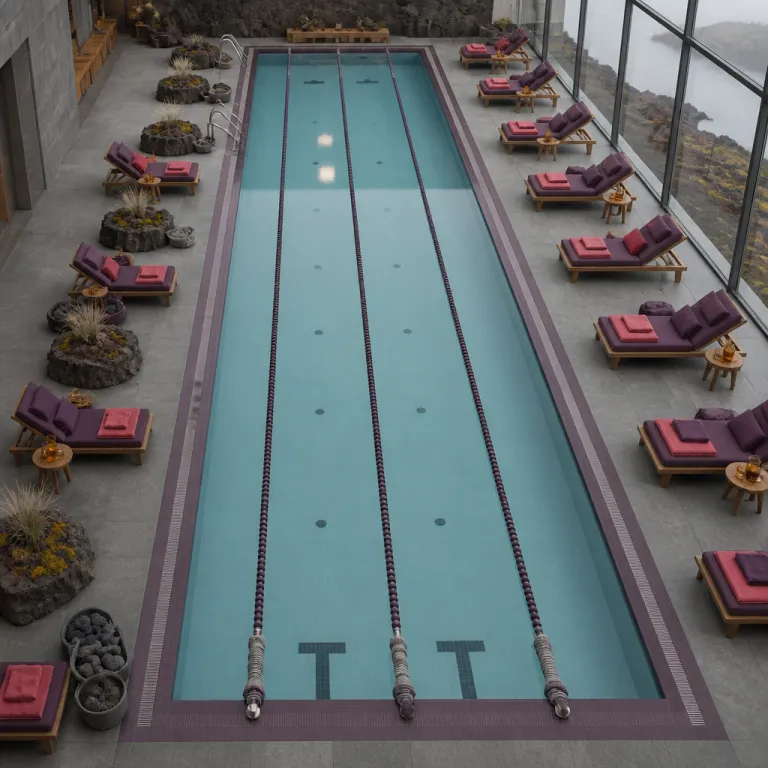
Why indoor pool hotels in Iceland feel different from anywhere else
In Iceland, an indoor pool is never just a warm rectangle. The water usually starts as natural hot springs deep underground, pushed upward by geothermal energy before it reaches your hotel pool. That is why many indoor pool hotels in Iceland with geothermal systems feel closer to a ritual than a simple swim.
When a hotel pipes this geothermal water into its indoor pools, you feel the difference on your skin. The heat is steady rather than scalding hot, the minerals soften the water, and the steam carries a faint scent of stone and earth. In the best geothermal spa hotels Iceland visitors choose, the pool room becomes a quiet observatory for northern lights flickering outside.
Architects lean into this geology by framing the pool with volcanic stone and glass walls. You might glide through a geothermal pool while watching snow fall over a distant lagoon or a frozen spring. The contrast between the cold air outside and the natural hot water inside is what makes pools in Iceland feel like private hot springs, even when you are only a few minutes from Reykjavík.
From Reykjavík sundlaugar to sky lagoon circuits: understanding Icelandic bathing culture
To understand indoor pool hotels in Iceland, you need to understand the sundlaug, the public swimming pool. In Reykjavík and across west Iceland, locals treat swimming complexes as living rooms with lanes, hot tubs, and steam rooms rather than as hotel add ons. That culture shapes how luxury properties design every geothermal pool and spa circuit.
Most Icelanders grow up moving between hot tubs, cold plunge pools, and a main swimming pool, chatting in the water after work. That is why even the most polished hotel spa near Reykjavík will usually include several geothermal pools, a proper steam room, and sometimes access to nearby natural hot springs. The goal is not only relaxation but social connection, even when the pool sits behind floor to ceiling glass facing the Atlantic.
Newer destinations such as Sky Lagoon near Reykjavík and Forest Lagoon by Akureyri borrow from this sundlaug tradition while adding dramatic design. At Sky Lagoon, the infinity edge faces the ocean, while Forest Lagoon wraps its pools in trees and rock, yet both still feel like elevated versions of everyday pools Iceland residents use. If you love high floor city swims from Tokyo to Manhattan, comparing those urban towers with Iceland’s more elemental bathing rhythm can help you decide which style of indoor pool stay suits you best.
Hidden gem indoor pool hotels near Iceland’s iconic lagoons and springs
Many travelers book a night near the Blue Lagoon and stop there, but indoor pool hotels in Iceland hide quieter geothermal experiences beyond that famous blue water. Around the Golden Circle, small luxury properties tap into local hot springs and channel them into intimate indoor pools and hot tubs. You might soak in a geothermal pool while watching steam rise from a nearby spring in the snow.
Look for hotels that sit within an easy drive of Secret Lagoon, Vök Baths, or Forest Lagoon yet still maintain their own indoor swimming pools. Secret Lagoon offers one of the oldest man made pools in Iceland, fed by natural hot springs that bubble at the edges, while Vök Baths float on a lake with crisp, clear water. Staying at a refined hotel with its own spa, steam room, and indoor tubs lets you alternate between curated facilities and more rugged hot pots in the landscape.
On the Reykjanes Peninsula, some properties quietly rival the Blue Lagoon by combining indoor pools with private access to geothermal pools outside. Others in west Iceland pair a modest indoor pool with views toward lava fields and, on clear nights, the northern lights. For travelers who appreciate elevated spa design, comparing Icelandic retreats with well known European spa hotels can offer a useful benchmark when judging pool layouts, water temperature, and service.
How to evaluate geothermal water, design, and wellness features before you book
When you compare indoor pool hotels in Iceland, start with the water itself. Ask whether the pool uses direct geothermal water from a hot spring, a mix of natural hot water and fresh water, or only mechanically heated water. Direct geothermal pools usually feel silkier, while mixed systems can be gentler for long swimming sessions.
Next, study the architecture and orientation of the pool room. The most memorable hotels align their swimming pools with views of mountains, lava fields, or the ocean, using glass walls to frame the landscape while keeping the air comfortably hot inside. Look for details such as underwater lighting, quiet mechanical systems, and a steam room or cold plunge that completes the thermal circuit.
Wellness focused travelers should also check how the spa integrates with the wider Iceland hot springs network. Some hotels offer guided tours to nearby hot pots, hot springs, or lagoons such as Blue Lagoon, Sky Lagoon, or Forest Lagoon, timed to avoid the most popular hours. Others schedule late night pool access so you can float in warm water while watching for northern lights without leaving the hotel.
Seasonality, northern lights, and when Iceland’s indoor pools feel most magical
Timing your stay at indoor pool hotels in Iceland can transform the entire experience. Shoulder seasons bring softer light, fewer crowds at popular lagoons, and long evenings that suit slow spa rituals. During these months, geothermal pools feel especially atmospheric as steam meets cool air outside the glass.
In winter, the contrast between icy wind and natural hot water becomes dramatic. You might move from a steaming indoor pool to outdoor hot tubs, then back through a steam room before stepping outside again to watch the northern lights. Hotels in west Iceland often lean into this rhythm, offering late night swimming hours and guided tours to nearby hot springs or hot pots under dark skies.
Summer shifts the mood, with almost continuous daylight turning pools Iceland wide into bright social spaces. Families linger in swimming pools late into the evening, and spa circuits feel more energizing than cocooning. If you prefer quieter laps, choose a hotel that opens its geothermal pool early, when the water is still and the only sound is the soft echo of your stroke.
Practical booking tips for luxury and premium indoor pool stays in Iceland
For a luxury stay focused on water, start by mapping your must see bathing sites. Decide whether Blue Lagoon, Sky Lagoon, Secret Lagoon, Vök Baths, or Forest Lagoon sit at the center of your route, then choose indoor pool hotels in Iceland that connect these dots with minimal driving. Properties along the Golden Circle and in west Iceland often offer the best balance between geothermal access and refined spa facilities.
When you read hotel descriptions, look for specific mentions of geothermal pools, natural hot water, and mineral rich springs Iceland travelers value. A vague reference to a heated pool usually signals a standard system, while clear notes about a geothermal pool, hot tubs fed by a hot spring, or direct access to hot springs suggest a deeper connection to the landscape. If you care about lap swimming, confirm the pool length and whether swimming pools are reserved for spa guests only or open to day visitors from local tours.
Finally, consider how the hotel’s indoor pool fits into your wider journey as an indoor pool enthusiast. If you already enjoy refined indoor pool stays in places like Wales or the Mediterranean, using those experiences as a benchmark can help you judge service, design, and water quality. In Iceland, the best hotels pair that level of polish with elemental details such as volcanic stone underfoot, steam drifting across blue water, and the quiet possibility of northern lights above the glass roof.
Key figures on Iceland’s geothermal pools and bathing culture
- Iceland operates more than 170 public swimming pools and baths across the country, according to figures cited by Visit Iceland and regional tourism boards, which means even small towns usually maintain at least one geothermal pool.
- Roughly 90 percent of Icelandic homes are heated with geothermal energy, based on data from Iceland’s National Energy Authority, and that same infrastructure supports many hotel pools and spa facilities.
- Blue Lagoon consistently ranks among Iceland’s most visited attractions, with annual visitor numbers reported in the hundreds of thousands in official tourism statistics, which makes nearby indoor pool hotels attractive for guests seeking quieter geothermal experiences.
- Tourism statistics from Visit Iceland show that the Golden Circle route remains one of the most popular day tours, so staying at hotels with indoor pools along this corridor can significantly reduce transfer times to major hot springs and lagoons.
- Surveys of visitor behavior indicate that bathing in geothermal pools is one of the top three activities for international travelers in Iceland, alongside northern lights viewing and Golden Circle sightseeing.
FAQ about indoor pool hotels and geothermal bathing in Iceland
Are hotel indoor pools in Iceland always filled with geothermal water ?
Not every hotel pool in Iceland uses direct geothermal water, even though the country has abundant hot springs. Some luxury properties pipe in natural hot water from geothermal sources, while others rely on standard heated fresh water systems. Always check whether the hotel specifies a geothermal pool or natural hot water if that detail matters to your stay.
Which areas are best for indoor pool hotels with access to hot springs ?
The Reykjanes Peninsula, the Golden Circle region, and parts of west Iceland offer the strongest combination of indoor pools and nearby hot springs. These areas place you within reach of Blue Lagoon, Sky Lagoon, Secret Lagoon, and other popular geothermal pools. Choosing a hotel with its own spa and steam room in these regions lets you balance private swimming with day trips to larger lagoons.
Can I see the northern lights from an indoor hotel pool in Iceland ?
Some indoor pool hotels in Iceland are designed with glass walls or skylights that face north, which can make northern lights viewing possible directly from the water. Properties in darker areas of west Iceland or along the Golden Circle often have the best conditions. For the highest chance, choose a hotel that offers late night pool access during the aurora season.
How should I behave in Icelandic pools and geothermal baths ?
Iceland has clear bathing etiquette that applies to both public pools and many hotel spas. Guests are expected to shower thoroughly without swimwear before entering any pool, lagoon, or hot tub, and quiet conversation is preferred over loud behavior. Following these norms shows respect for local culture and keeps the water quality high for everyone.
Are indoor pool hotels in Iceland suitable for serious lap swimmers ?
Several hotels maintain full length swimming pools suitable for laps, while others focus more on soaking pools and hot tubs. If lap swimming is important, confirm the pool length, depth, and dedicated lane times before booking. Many properties influenced by Iceland’s strong swimming culture offer at least one pool designed for proper training sessions.