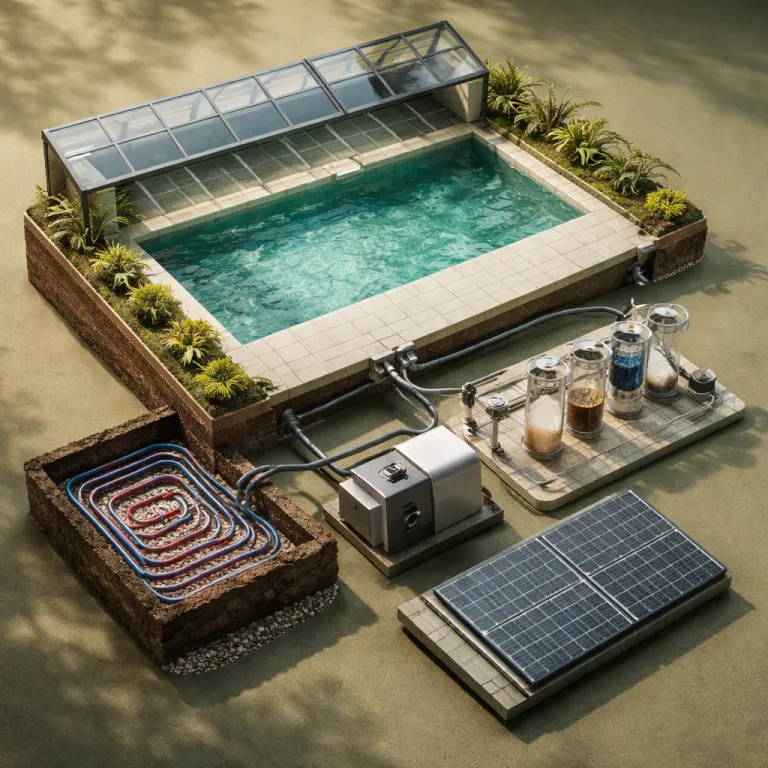
Why sustainable hotel pool technology now defines modern luxury
Walk into a luxury hotel and the indoor pool often sets the tone. Behind the still water, sustainable hotel pool technology now shapes how energy, water and air quietly behave around you. For solo guests who care about sustainability as much as a perfect lap lane, this shift changes which hotels truly feel luxurious.
Across leading hotels and hotels resorts, engineers are rebuilding pools as efficient systems rather than decorative basins. The most advanced swimming pools cut energy consumption by pairing smart pumps with renewable energy, while precise water management trims water consumption without sacrificing that soft, skin friendly feel. These sustainable practices reduce environmental impact in real time and, over the long term, lower operational costs that once made heated indoor pools an indulgent waste.
The hotel industry has moved beyond vague green promises toward measurable sustainability in pool design and construction. Data from eco engineering firms shows that sustainable hotel pool technology can deliver up to 50 percent energy savings and around 40 percent water savings compared with traditional pools. For you as a guest, that means cleaner air around the pool, quieter filtration, and a guest experience where comfort, sustainability and high quality engineering finally align.
Inside the water: filtration, chemistry and what your skin actually feels
Most travelers sense when pool water feels harsh, but few know why. Sustainable hotel pool technology focuses first on water management, because every litre of water carries both energy and chemical load. The best hotels now treat each indoor pool as a living system, balancing swimmer comfort, hygiene and sustainability with almost clinical precision.
Natural filtration systems, like those used by providers such as NatureSwim and Biotop, replace aggressive chemicals with biological filters and planted regeneration zones, especially in natural swimming pools and lakes. In these pools, “Reduction in chemical usage” can reach “100 %”, while “Water savings compared to traditional pools” can reach “40 %”, and “Energy savings with sustainable pool systems” can reach “50 %”. For guests, that translates into water that smells neutral, leaves skin calmer and still meets strict health standards for the hotel industry.
Other luxury hotels opt for electronic oxidation, UV light disinfection or salt water electrolysis, each technology offering different trade offs between energy consumption, maintenance and swimmer sensation. UV and ozone systems sharply reduce chlorine while keeping water crystal clear, though they demand careful waste management of spent lamps and components. When you ask about pool technology at check in, you are really asking how the hotel balances guest experience, long term sustainability and the invisible chemistry that defines every stroke you take.
Energy, heat and the architecture of a truly efficient indoor pool
Energy is where sustainable hotel pool technology becomes quietly radical. Heating large volumes of water and the surrounding air once made indoor pools some of the most wasteful spaces in any hotel. Now, the smartest luxury hotels treat every kilowatt as a design material, not just a utility bill.
At Stanglwirt in Austria, a 517 square metre natural swimming lake uses chemical free filtration with local stone and native plants, while geothermal water energy from groundwater heat pumps and biomass heating from local sawmill waste keep temperatures stable. The property runs on CO₂ free hydroelectric renewable energy, turning what could be a heavy environmental impact into a showcase of green engineering. Das Rübezahl goes further on the mechanical side, using a heat recovery system that repurposes waste heat from other hotel operations to warm its pools, supported by photovoltaic solar panels that generate most of its energy needs on site.
Future facing construction like the planned Svart Hotel near the Arctic Circle pushes this thinking to an extreme, with an energy positive structure elevated on stilts and integrated renewable energy systems designed around its water facing pools. For travelers, the practical question is simple yet powerful. When you choose a hotel pool framed by stainless steel, glass and stone, you can now ask how much of its heat comes from renewable energy, how its energy consumption is tracked in real time, and whether the engineering supports sustainability over the long term rather than just during a marketing campaign.
Materials, waste and the quiet details that separate real green from greenwash
Not every pool wrapped in timber and plants is genuinely sustainable. Sustainable hotel pool technology lives in the details of materials, waste management and long term maintenance, not just in a few green walls beside the water. As a solo explorer booking your own stays, this is where you can read between the lines of hotel descriptions.
High quality stainless steel pool shells, for example, may look clinical at first glance, yet they often reduce water consumption through tighter tolerances and minimise structural leaks over the pool’s life. Stainless steel also simplifies waste management during refurbishment, because components can be recycled rather than sent to landfill as mixed construction waste. Smart water management systems monitor evaporation and backwash cycles in real time, trimming both water and energy consumption while protecting the surrounding building fabric from moisture damage.
Sustainability also extends beyond the pool edge into food and beverage operations that serve guests drifting between loungers and restaurants. Hotels that take sustainability seriously often link pool technology with food waste tracking, energy efficient kitchens and integrated waste management for the entire property. When you read about a green hotel, look for specific mentions of sustainable practices in pools, water management, food waste reduction and construction choices, rather than vague claims about caring for the environment or celebrating a symbolic water day once a year.
How to read a pool listing: questions that change your stay
For indoor pool obsessed travelers, the booking page is where sustainable hotel pool technology either appears in clear language or hides behind clichés. Before you commit to a hotel, scan how it talks about water, energy and sustainability in the pool area. The right questions turn a generic stay into a deliberate choice that matches your values.
Start with water management and ask the hotel how it measures water consumption for its pools and swimming pools, and whether any systems reclaim backwash water for irrigation or grey water uses. Then move to energy consumption and request specifics on renewable energy inputs, such as solar panels, heat pumps or heat recovery from spa and laundry operations. Some hotels now share pool system data in near real time, a level of transparency that signals serious management rather than marketing gloss.
Next, connect the pool to the wider guest experience and on site sustainability culture. Properties that invest in sustainable hotel pool technology often also lead on food waste reduction, thoughtful design of wellness spaces and staff training around environmental impact. When you read about magnesium rich pools, like those highlighted in the in depth review of a city’s first magnesium hotel pool on Indoor Pool Stay, you are seeing how water chemistry, technology and guest comfort can align in a way that feels both indulgent and genuinely sustainable.
Cost, value and why sustainable pools are reshaping luxury expectations
Behind the scenes, sustainable hotel pool technology usually costs more to install than conventional systems. Engineers and owners talk about a 15 to 30 percent premium for advanced filtration, smart controls and integrated renewable energy. Yet over the long term, these investments often pay back through lower utility bills, reduced chemical purchases and a stronger position in a crowded luxury hotels market.
For the hotel industry, the pool has become both a sustainability laboratory and a branding statement. Eco conscious guests increasingly ask about pool water treatment during booking, turning once obscure engineering choices into front line marketing messages. Hotels and hotels resorts that can explain their sustainable practices in clear, specific language tend to earn higher trust, better reviews and repeat guests who value more than just a pretty pool photo.
As a traveler, you are not expected to audit pump curves or filtration diagrams, but you can recognise patterns. Look for hotels that connect pool technology with broader sustainability, from renewable energy sourcing to thoughtful waste management and food waste strategies in their restaurants. When a hotel speaks confidently about water energy efficiency, environmental impact and guest experience in the same breath, you are likely looking at a property where the turquoise surface is supported by serious, future ready engineering.
FAQ
What are sustainable hotel pool technologies ?
Sustainable hotel pool technologies are systems that reduce environmental impact of hotel pools. They focus on cutting energy consumption, lowering water consumption and minimising chemical use while maintaining strict hygiene standards. In practice, that includes natural filtration, UV or ozone disinfection, smart pumps, heat recovery and integration of renewable energy such as solar panels or geothermal heat.
How do these technologies conserve water in indoor pools ?
These technologies conserve water by optimising filtration cycles, reducing backwash volumes and limiting evaporation through precise climate control. Smart water management systems track flows in real time, so engineers can adjust settings before waste becomes significant. Some hotels also reuse lightly treated water for irrigation or cleaning, further reducing the overall water footprint of their pools.
Are chemical free or low chemical pools safe for guests ?
Yes, when properly engineered and maintained, chemical free or low chemical pools are safe for guests. Systems using natural filtration, electronic oxidation or UV light disinfection are designed to meet the same microbiological standards as traditional chlorinated pools. Hotels that adopt these systems usually work with specialised providers and follow strict management protocols to ensure consistent water quality.
How can I tell if a hotel pool is genuinely sustainable and not just marketing ?
A genuinely sustainable pool is backed by specific, verifiable details rather than vague green language. When a hotel can explain its filtration method, energy sources, water management strategy and waste management practices in clear terms, it usually reflects real investment in sustainability. You can also look for independent sustainability certifications and ask staff direct questions about pool operations during booking or at check in.
Do sustainable pool systems affect the comfort of the swimming experience ?
In many cases, sustainable systems improve comfort by creating softer water, better air quality and more stable temperatures. Natural or low chemical pools often feel gentler on skin and eyes, while efficient ventilation reduces the heavy chlorine smell common in older indoor pools. The key is thoughtful design that balances sustainability goals with the sensory details that make a pool feel like a sanctuary rather than a utility space.
References
Crystal Lagoons – technical documentation on water and energy efficient lagoon and pool systems.
NatureSwim – information on chemical free freshwater pool technologies for hotels.
Biotop – resources on natural swimming ponds and biological filtration for hospitality projects.