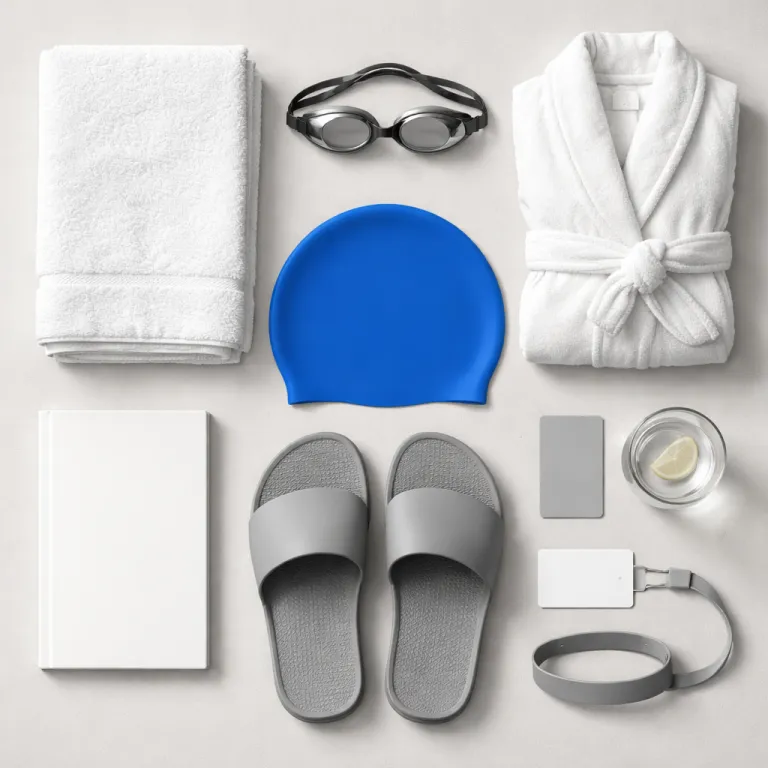
When the pool belongs only to you
The most meaningful solo swimming moment in a luxury hotel pool rarely happens at midday. It happens when the indoor pool is still, the deck is dim, and the only sound is your own breathing between strokes. That is when a high-end property stops being a backdrop for content and becomes a private sanctuary for your mind and body.
High-end hotel pools were once designed almost entirely around daytime energy and beachside theatrics. Today, the most forward-thinking resort and hotel spa teams are quietly shifting towards solitude, with extended pool hours, lane reservations, and even private plunge pools that can be booked like a spa treatment. This is not a trend for everyone; it is a response to solo travel guests who value a meditative swimming pool more than a crowded bar.
Solo travelers now account for a fast-growing share of global luxury travel, and their expectations are reshaping how a resort spa or urban hotel spa thinks about water. They are not asking for louder music or bigger rooftop pool parties; they are asking for a warm indoor pool with one calm lane, a clear sightline, and no need to negotiate space with inflatable toys. When you book your next room or one of the larger suites, the real question is simple: when, exactly, will the pool be yours alone?
From my own inspections of hotel pools across Europe, Asia, and the Caribbean, the pattern is clear. Properties that treat the solo swimmer’s pool as a wellness studio rather than a backdrop for cocktails consistently earn higher repeat stays from independent guests. On a recent visit to a coastal resort in Portugal, for example, I watched the same guest swim laps at dawn three days in a row; the general manager later confirmed that repeat visitors like her account for a disproportionate share of spa revenue.
For these hotels, design choices follow that philosophy. Lighting is softer, acoustics are controlled, and the indoor pool is often separated from the main family pool to protect the sense of privacy. The best hotel teams even train their spa reception staff to ask whether you prefer a social pool experience or a private one, then guide you to the right suite category or private pool option.
Behind the scenes, the business case is strong. Industry data and internal benchmarking at major brands suggest that only a minority of luxury hotels currently offer a private pool option, yet those rooms typically command about a 30% price premium over standard categories. That figure aligns with findings from STR and similar hospitality analytics providers, which track higher average daily rates for suites with in-room water features compared with equivalent non-pool rooms.
Guests who choose these private plunge or private pool suites are not simply paying for water. They are paying for the ability to step from bed to pool in seconds, to swim before sunrise without crossing a lobby, and to enjoy bay views or mountain views without sharing a lounger. As one general manager of a Caribbean resort told me, “Our solo guests don’t want to be seen at the pool; they want to disappear into it for an hour.” For many independent travelers, that level of autonomy defines true luxury more than any champagne amenity.
Hotels have noticed that this preference for privacy is not seasonal. Demand for private plunge suites, indoor pool access, and quiet hotel pools remains steady throughout the year, especially in urban markets where outdoor beach access is limited. As a result, more properties are integrating pools directly into the room design, turning the line between guestroom and resort spa into a single, fluid space.
For you as a guest, this shift changes how you should evaluate a solo-friendly luxury hotel pool before you book. Instead of asking only about size or whether there is an infinity pool, ask about the timetable, the quietest hours, and whether any lanes can be reserved. The answer will tell you whether the hotel truly understands independent swimmers or simply operates another generic hotel pool.
From amenity to ritual: how hotels are redesigning for solo swimmers
Once you start looking for it, you see the new solo swimming logic everywhere. A city hotel that keeps its indoor pool open until midnight, a mountain resort spa that offers 6 a.m. lane reservations, a coastal resort that limits children in certain pools during early hours. These are not random rules; they are deliberate design choices for guests who treat the swimming pool as daily ritual.
Some of the most interesting experiments are happening in large international brands, where scale meets nuance. At JW Marriott Phu Quoc Emerald Bay in Vietnam, for example, selected suites offer semi-private pool access in addition to the main infinity pool. Similar concepts appear at properties like W Bali – Seminyak and Conrad Koh Samui, where guests in certain villas can pre-book thirty-minute private plunge sessions or enjoy their own pool before the main area opens. In these hotels, the primary infinity pool remains focused on social energy, while a separate indoor pool or spa circuit stays quiet for lap swimmers and wellness guests.
Independent luxury hotels and Relais & Châteaux properties are taking a different path, often embedding the solo swimming experience directly into the architecture of the room. Think of a hillside resort above a bay where each room has a compact private pool carved into the terrace, or a converted palace where the former cistern has become a vaulted indoor pool reserved for only a few guests per hour. In both cases, the spa and design teams treat water as a private, almost sacred resource.
For travelers comparing options, the key is to read between the lines of marketing language. When a resort describes its beach pool scene and rooftop pool parties in great detail but barely mentions lap lanes or quiet hours, you can assume the focus is social. When the same brochure explains how to book a private plunge session, highlights the temperature of the indoor pool, and notes the best times for uninterrupted laps, you are looking at a property that understands solo swimmers.
On indoorpoolstay.com we see this shift reflected in guest feedback across multiple destinations, from the Dominican Republic to alpine spa towns. Solo guests praise hotels where the resort spa staff proactively suggest early or late swim windows and where the design of the pool area allows for both social zones and silent corners. They rarely mention the number of swimming pools; they talk about the one pool that felt like theirs.
If you want to go deeper into how high-end water experiences are being curated, look at how some properties pair pools with hydrotherapy suites and whirlpool rooms. Guides to an elevated whirlpool suite experience, such as the one on indoorpoolstay.com about ultimate relaxation in a hotel whirlpool suite, show how the line between spa, room, and pool is blurring. For solo travelers, that integration means you can move from a focused lap session to a warm soak without ever entering a crowded public area.
Booking strategy matters as much as architecture. Direct booking through the hotel often unlocks better information about pool privacy, from whether the private pool is heated to how many guests share a given indoor pool. When you speak with reservations, ask specific questions about pool design, views from the water, and whether any suites offer a private plunge or semi-private swimming pool access.
Remember that privacy has a measurable price. Industry analyses and revenue reports from major hotel groups suggest that rooms with a private pool or dedicated plunge pool typically cost around one third more than comparable categories without water access, yet they also drive higher guest satisfaction and repeat bookings. That premium is echoed in benchmarking by firms such as STR and CBRE Hotels, which consistently report stronger revenue per available room for suites with private water features.
As this model spreads, expect to see more hotels treating pool time like spa time. You will reserve a lane the way you reserve a massage, choose between an infinity pool or an indoor pool session, and perhaps even select a specific view, such as a bay panorama or a framed city skyline. For solo swimmers, the hotel pool will become less about access and more about choreography.
Are private pools heated? It depends on the hotel; confirm before booking. Is there an extra cost for private pools? Often yes; it varies by property and room type. Can non-guests access private pools? Typically no; they are reserved for registered occupants of those suites.
For curated examples of properties already operating at this level, explore the collection of hotel elite experiences with indoor pools for refined stays on indoorpoolstay.com. There you will find hotels where the indoor pool is not a basement afterthought but a central, carefully lit stage for your own private ritual. Those are the places where a solo swimmer can build an entire journey around water.
Designing the quiet lane: light, layout and the psychology of water
Not every solo-focused luxury hotel pool succeeds, even in expensive properties. The difference usually lies in design details that most brochures never mention but every serious swimmer feels within seconds. Light, acoustics, circulation, and the relationship between the pool and the rest of the hotel all determine whether you will find calm or chaos.
Start with light, because it shapes your entire perception of the indoor pool. A well-placed skylight above a lap lane can turn a simple hotel pool into a moving artwork, with reflections that shift as the day progresses. When that light is paired with a controlled soundscape and a clear view towards either a bay, a courtyard, or a piece of considered art, the pool becomes a meditative corridor rather than a noisy tank.
Properties that understand this often invest in architectural storytelling around their swimming pools. Some frame the infinity pool edge towards a dramatic landscape, such as the Arenal Volcano in Costa Rica, so that each lap ends with a powerful natural focal point. Others carve a narrow plunge pool along a glass wall, giving solo swimmers a private view of a garden or city street while keeping them visually shielded from the main hotel lobby.
Layout matters just as much as light. When the route from your room to the pool forces you through a busy restaurant or bar, the psychological barrier to that 6 a.m. swim grows higher. When the resort spa and pool share a quiet corridor, with direct access from certain suites or a dedicated elevator, the transition from bed to water feels effortless and private.
Noise is the silent enemy of the solo swimmer. Hard surfaces, low ceilings, and proximity to a kids’ club can turn even a beautiful indoor pool into an echo chamber. Smart design uses acoustic panels, soft furnishings, and sometimes even partial walls to separate a social beach pool area from a more contemplative lap zone.
Temperature and depth are often overlooked but crucial. A pool that is too warm for laps or too shallow for a proper stroke will never satisfy a serious swimmer, no matter how impressive the rooftop pool views might be. When you evaluate a hotel spa or resort spa online, look for specific mentions of water temperature, depth, and whether any lanes are reserved for adults or quiet swimming.
For a deeper dive into how light alone can transform a hotel pool from amenity to destination, the analysis on indoorpoolstay.com about how natural light reshapes an indoor hotel pool is essential reading. It explains why a modest pool with perfect daylight can feel more luxurious than a vast infinity pool hidden in a basement. As a solo traveler, you will feel that difference in your shoulders and breathing long before you notice it in photographs.
Design also extends into the room itself. Increasingly, high-end hotels are integrating a small private plunge or even a full private pool directly into selected suites, blurring the line between room and spa. In these spaces, the view from the bed to the water, the way light hits the surface at dawn, and the ease of stepping into the plunge pool all contribute to a deeply personal ritual.
Even in destinations better known for their beach culture, such as the Dominican Republic, the most memorable experiences often happen away from the sand. A quiet indoor pool with a framed view of the bay at sunrise can feel more intimate than any beach pool lined with loungers. When you plan your travel, consider whether you want the energy of the beach or the focus of a carefully designed indoor lane.
Ultimately, the best hotel environments for solo swimmers are those where design respects your need for both movement and stillness. They give you a clear, uninterrupted line in the water, a considered view at the end of each lap, and an easy path back to your room without performance. That is the architecture of genuine privacy.
How to book for solitude: practical tactics for solo pool seekers
Knowing that hotels are rethinking the solo swimming experience is only useful if you can translate it into smarter bookings. The goal is not just to find a property with multiple pools but to secure the specific conditions that make your swim feel private. That means asking better questions, reading listings differently, and sometimes paying more for the right room rather than the right address.
Start with the basics that most guests overlook. Before you book, email or call the hotel spa or resort spa directly and ask about pool hours, adults-only times, and whether any lanes can be reserved. Clarify whether the indoor pool is primarily used for families, spa guests, or lap swimmers, and whether your room category includes any form of private pool or private plunge access.
Then move to the details that matter specifically for solo swimmers. Ask about the typical crowd pattern: when is the pool busiest, and when is it almost empty? A hotel that can confidently tell you that 6 a.m. to 8 a.m. is quiet, or that late evening is reserved for adults, is a hotel that tracks and respects the solo swimming rhythm.
Room selection is your next lever. If the property offers suites with a plunge pool, private pool, or direct access to a semi-private swimming pool, compare the price difference against what you would spend on other experiences. For many solo travelers, upgrading to a room with a private plunge can be more valuable than paying for a higher floor or a marginally better bay view.
Pay attention to how the hotel describes its water features. Heavy emphasis on the beach pool, rooftop pool parties, and social hotel pools usually signals a focus on atmosphere rather than solitude. References to lap lanes, quiet hours, and the ability to book specific time slots in the indoor pool suggest a property that understands the needs of independent swimmers.
Geography also shapes your options. In destinations like the Dominican Republic, where beach culture dominates, you may need to look harder for hotels that prioritise an indoor pool or a calm infinity pool over a loud beach pool. In volcanic regions such as the Arenal Volcano area, many properties already lean into thermal pools and quieter spa circuits, which can naturally favour solo swimmers.
Brand and style can offer clues but are not guarantees. A Relais & Châteaux property may deliver an exquisitely designed indoor pool with only a few guests at any time, while a large Marriott resort might surprise you with a perfectly managed lap lane and excellent early morning access. What matters is not the logo but the operational philosophy around water and guest flow.
For travelers who combine swimming with other wellness rituals, consider how the pool integrates with the wider spa and room experience. A hotel that offers a seamless route from your room to the swimming pool, followed by a quiet relaxation lounge or in-room hydrotherapy, will support a more consistent practice. Resources such as the whirlpool suite guide on indoorpoolstay.com can help you understand how to layer these elements into a single, coherent stay.
Finally, remember that solitude is a shared responsibility between you and the hotel. You choose the time, the room, and the property; the hotel provides the design, the schedule, and the respect for quiet. When those elements align, the solo swim stops being an amenity and becomes the anchor of your entire journey.
Key figures shaping the future of solo hotel pool experiences
- Only a relatively small share of luxury hotels worldwide currently offer rooms with a genuinely private pool, according to internal benchmarking by major brands and associations, which makes these suites a scarce and highly valued resource for solo swimmers.
- Rooms and suites that include a private pool or plunge pool typically cost about 30% more than comparable categories without water access, based on aggregated revenue reports from global hotel groups and analyses by firms such as STR, yet they consistently generate higher guest satisfaction and repeat booking rates.
- Industry surveys show a marked increase in demand for private amenities and in-room wellness features, with solo travelers particularly likely to prioritise indoor pool access and quiet hotel pools over larger room sizes or proximity to the beach.
- Operational data from luxury properties indicates that early morning and late evening pool hours, when occupancy is lowest, are increasingly being formalised as adults-only or reservation-based sessions to cater to guests who prefer a calm, lane-style swim.
- Global booking platforms report that solo travel has grown significantly over recent years, and this growth correlates with higher search interest in terms such as private pool, indoor pool, and resort spa, reinforcing the business case for hotels to redesign around individual swimmers.