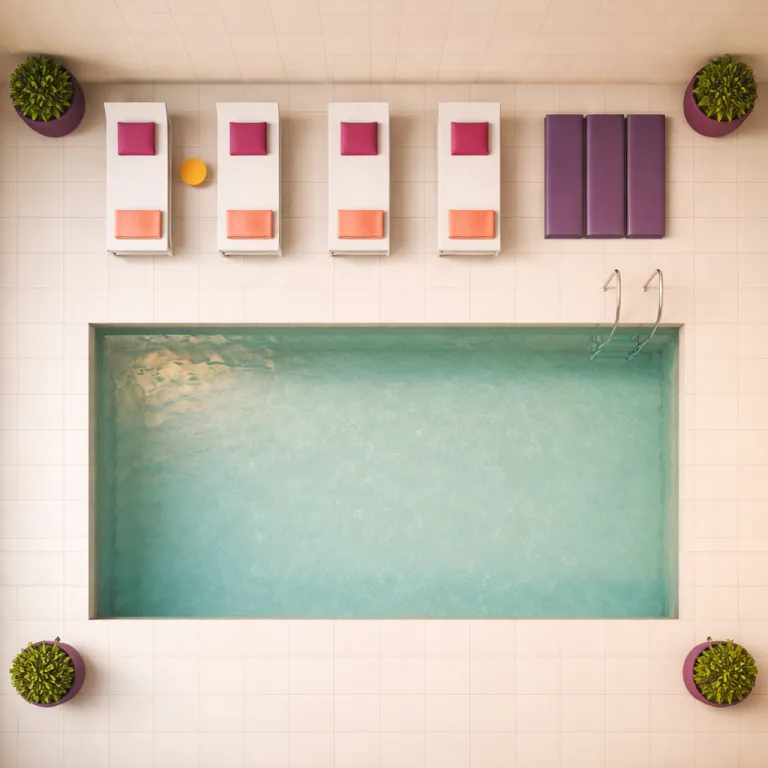
When light becomes the real luxury in an indoor pool
The difference between a perfunctory indoor pool and a destination swimming pool is almost always the light. In the best luxury indoor spaces, architects choreograph how water, glass and walls interact so that every lap feels like moving through a carefully composed interior landscape. When you book an indoor pool hotel with natural light design in mind, you are really choosing how your mornings and evenings will feel.
Architects, interior designers and hotel owners now work together as one team to prioritise biophilic design principles, using glass walls, skylights and light wells to pull the outdoor world into the pool room. Their shared objective is simple yet ambitious: create indoor swimming environments where the visual connection to sky, mountains or city roofs is as strong as the pull of the water itself. This shift has turned once hidden indoor pools into modern sanctuaries that rival any spa terrace or pool house in emotional impact.
Energy performance quietly supports this aesthetic evolution in pool design. A well oriented luxury pool with generous natural light can reduce artificial lighting needs by around 20%, according to a 2019 analysis of hotel leisure facilities by M. Dubois and colleagues in the Journal of Building Engineering (vol. 26, 100843), which matters for both sustainability and long term operating costs. For travelers, that means the glow on the surface of the swimming pools at 7 a.m. is more likely to be real daylight rather than a bank of overhead LEDs.
Architectural strategies that shape light, water and space
Look closely at any memorable indoor pool and you will see a handful of recurring architectural ideas. North facing glass walls give a swimming pool consistent, soft light throughout the day, while south facing glazing creates dramatic shafts of brightness that move across the water like a sundial. When you evaluate pool designs online, ask where the sun actually is in relation to the room, not just how the photos look.
At The Chedi Andermatt, a 35 metre lap pool stretches toward the Alps behind floor to ceiling glass, turning each length into a slow approach to the mountains. Here, the pool luxury effect comes from how the modern structure frames the outdoor panorama, with the interior finishes kept deliberately calm so the visual focus stays on snow, sky and water. As architect Jean-Michel Gathy has noted in interviews about the project, the aim was to “let the mountains and the light be the decoration,” so the architecture steps back and lets the landscape and natural light do the work.
Lighting consultants now use advanced architectural software and 3D modelling to simulate how light will move across enclosed pool spaces in every season. They combine this with layered artificial lighting so that a luxury indoor pool can shift from energising brightness for morning swimming to a low, cinematic glow for night time pool ideas like couples’ swims. A simple rule of thumb is to design for a daylight factor of around 2–5% at the pool edge for relaxed lounging, rising to 5–8% over lap lanes where swimmers benefit from clearer visual contrast.
Case studies: when an indoor pool becomes the destination
Certain hotels have become quiet legends among indoor pool obsessives because of how they handle light. Six Senses London, for example, treats its swimming pool as a mood ring for the entire spa, using layered lighting design to move from crisp, cool tones for early laps to warmer hues that make the water feel denser and more intimate at night. The result is a pool room that never feels like a static basement rectangle, even though it is fully enclosed; the designers describe the space as “a cocoon that changes character with the time of day.”
Heritage conversions bring another layer of drama to indoor pools, especially when architects cut new skylights into old structures. Properties such as the Orient Express Venezia or Hotel Viking in Newport often place a modern indoor pool directly under restored beams or vaulted ceilings, letting daylight pour through new openings and wash over historic walls. This interplay between old structure and new glass turns a simple pool house concept into a living lesson in architectural contrast.
Mountain hotels use light differently again, especially where winters are long and days are short. The Park Gstaad positions its indoor pools to catch the briefest Alpine sun, so even a small indoor lap pool can feel expansive when the low light hits the water at an angle. Designers in these climates often study seasonal sun paths to ensure that, even on the shortest days, the low winter sun can penetrate deep into the pool hall for at least an hour, extending the sense of daylight far beyond what the clock suggests.
How natural light changes the way you feel in the water
Natural light does more than make a pool photograph well; it changes how your body reads the space. Soft, diffuse daylight across a luxury indoor pool tends to flatten shadows, making the room feel wider and calmer, while hard beams of sun can carve the water into bright and dark bands that feel almost theatrical. This is why a lap pool under a skylight can feel radically different from the same pool under uniform ceiling spots.
Psychologically, humans respond strongly to any visual link between indoor and outdoor environments, which is the essence of biophilic design. When you can see sky, trees or even city roofs from the water, your brain registers the pool as part of a larger landscape rather than a sealed interior room. That subtle shift reduces the sense of enclosure that some guests feel in indoor pools, especially in deeper pool designs or compact small spaces.
There is also a practical wellness dimension to this indoor pool hotel natural light design conversation. Exposure to daylight helps regulate circadian rhythms, so a morning swim in a bright pool can gently cue your body clock, while a dimmer evening session prepares you for rest. Research summarised in the International WELL Building Institute’s Light concept (WELL v2, 2020) notes that access to natural light and views can support alertness, mood and sleep quality while also reducing energy use when combined with responsive lighting controls.
How to choose your next indoor pool stay like an insider
When you scroll through hotel galleries, train your eye to read the light before the loungers. Ask yourself whether the swimming pool sits beside full height glass walls, under a central skylight, or in a windowless pool room relying entirely on coloured LEDs. If you cannot see any outdoor reference point reflected in the water, assume the experience will feel more enclosed than the marketing language suggests.
Next, look at how the interior materials interact with that light, because finishes can make or break even the best pool design. Pale stone and timber soften glare and keep a modern indoor pool feeling warm, while high gloss tiles and dark ceilings can turn reflections harsh if the design strategy is not carefully balanced. For couples planning a romantic stay, pay attention to whether there are quieter corners of the pool house or adjacent rooms where you can retreat between swims.
Finally, read between the lines of amenity lists and guest reviews to understand how the space behaves over a full day. Guests often mention whether a luxury pool feels crowded, whether there is a dedicated lap lane for serious swimming, and whether the light is uplifting in the morning or only atmospheric at night. Comments about “no windows” or “basement feel” are useful clues, as are notes on how early the sun reaches the water or whether the pool relies on coloured LEDs for most of its character.
FAQ
Why is natural light so important in an indoor hotel pool?
Natural light shapes both the mood and perceived size of an indoor pool. It makes the water colour feel more nuanced, reduces reliance on artificial lighting and can improve guests’ sense of well being. It also supports sustainability goals by lowering energy use over the course of each day.
How do hotels usually bring daylight into indoor pools?
Hotels typically combine large windows, skylights and vertical light wells to channel daylight into indoor swimming areas. Architects use lighting analysis tools to model how the sun will move across the pool designs in different seasons. This allows them to position glass walls and openings so that the pool area remains bright without excessive glare.
What should I look for in photos when choosing a luxury indoor pool?
Check whether you can see the outdoor environment from the water, either through floor to ceiling glass or high level windows. Notice how shadows fall on the pool room surfaces, which reveals whether the light is soft and even or harsh and directional. Also look for thoughtful interior design touches such as calm materials, clear lap pool lanes and comfortable seating that is not crammed against the pool edge.
Are small indoor hotel pools worth booking for a romantic stay?
A small indoor pool can feel more intimate than a large complex if the design is strong. When the room proportions, lighting and materials are well balanced, even compact pools can deliver a sense of privacy and luxury. Prioritise properties where the pool house feels like a dedicated retreat rather than a corridor between the gym and the changing rooms.
How does biophilic design influence modern indoor hotel pools?
Biophilic design aims to connect guests with nature through elements like daylight, views of greenery and natural materials. In a luxury pool context, that often means framing outdoor vistas, using stone and timber, and letting water sounds soften the interior. Hotels that embrace this approach tend to create swimming pools that feel restorative rather than purely functional.
References
M. Dubois et al., “Daylighting and visual comfort in hotel leisure facilities,” Journal of Building Engineering, 26 (2019), 100843; American Society of Heating, Refrigerating and Air Conditioning Engineers (ASHRAE), Lighting and Daylighting guidelines; International WELL Building Institute, WELL Building Standard v2, Light Concept.