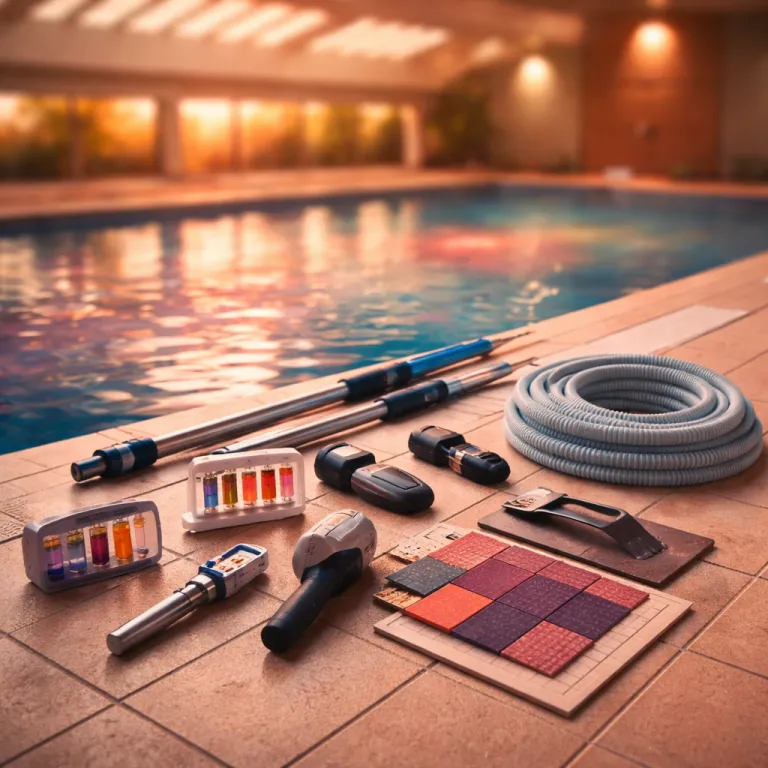
Why some luxury hotel pools feel effortless while others fall flat
The most memorable luxury hotel pool rarely shouts for attention. It balances architecture, water, light and sound so that your first swimming length feels inevitable rather than merely impressive. When you book a hotel for business or leisure, those quiet luxury pool design decisions often determine whether you stay for ten minutes or lose an entire afternoon.
Design teams for a serious luxury hotel pool usually include architects, engineers and interior designers working together from the first construction sketches. Architects shape the pool architecture and volume, engineers calibrate pool water systems and safety, while interior designers tune finishes so the swimming pool feels calm rather than cavernous. Landscape architects join when a resort pool connects to a tropical garden, a beach house deck or a pool with an ocean panorama, even if the main experience remains indoors.
Industry commentary from large resort operators suggests that an average high end pool for hotels and resorts can reach around 500 square metres, which already changes how crowds move and how acoustics behave. That scale allows a resort to separate a quiet spa corner from a lane focused luxury swimming zone, protecting both types of guest experience. The best five star resort properties then layer in infinity edges, glass walls and integrated lighting, because these features are now baseline expectations for any modern luxury pool rather than rare upgrades.
So what actually defines a luxury hotel pool for a discerning traveler? The clearest answer from design practice is simple yet demanding: distinctive geometry, durable high quality materials and genuinely exclusive features that support real swimming. When you scroll through beautiful photos of swimming pools in Florida or Asia, look past the surface glamour and ask whether the hotel pool would still feel inviting at six in the morning when the space is yours alone.
The 6 a.m. test, water temperature and the quiet science of comfort
Walk into a hotel pool at six, when the only sound is filtration and your own footsteps. That early hour reveals whether the luxury pool design elements serve real swimmers or only social media photos. If the water, light and acoustics feel right before the first cappuccino, you have probably chosen a serious luxury hotel rather than a marketing exercise.
Water temperature is the first non negotiable detail, especially in an indoor swimming pool where air cannot hide mistakes. For relaxed swimming and spa style lounging, many wellness operators treat 28 °C as the comfort sweet spot, while dedicated lap swimmers often prefer around 26 °C to keep luxury swimming sessions sharp and energising. Numerous European wellness hotels, for example, publish pool temperatures in this 26–28 °C band on their daily information sheets so guests can choose the right time and zone for their preferred style of swimming.
Operational discipline matters as much as design ideas, particularly for business leisure guests who only have narrow windows to swim. A well run luxury pool will offer lane ropes during peak lap times, keep towels fully stocked and maintain changing rooms at the same standard as a spa suite. That quiet efficiency is why flagship properties such as The Peninsula New York, whose indoor pool has been rated above 9 out of 10 by guests on several major booking platforms at various points in recent years, can maintain a sense of poolside luxury through strict capacity limits and room guest only access.
Light is the other invisible comfort factor, especially in a modern indoor pool where natural daylight can be scarce. Before booking, read specialist guidance on how natural light transforms an indoor hotel pool from amenity to destination, then compare it with the hotel photos you see. If the view across the pool looks inviting at dawn and dusk, not only at midday, you can trust that the architecture and glazing have been handled with care.
How materials, tiles and acoustics shape the mood of an indoor pool
Stand at the edge of any swimming pool and look down before you dive. The colour of the water is rarely just about pool water chemistry; it is about tile selection, stone finishes and how the ceiling reflects or absorbs light. Luxury hotel pool design elements start with these material decisions, because they influence every photo, every echo and every stroke.
Dark stone or deep mosaic tiles tend to make pools feel intimate, turning even a large resort pool into something closer to a private spa. White or pale tiles bounce light around, which can be perfect for a tropical resort aesthetic or a Florida style beach house pool where brightness sells the experience. Engineers and architects now model these effects during the design phase, using digital tools and material samples to predict how swimming pools will read in both natural and artificial light.
Acoustics are the most underestimated part of any hotel pool project, yet they decide whether a space feels like a sanctuary or a public bath. Hard ceilings and glossy walls amplify every shout and splash, while timber slats, acoustic panels and textured stone quietly absorb noise so that conversations stay private. When you read reviews of wellness hotel experiences in Germany and South Tyrol, notice how often guests mention calm or serenity without realising that careful acoustic architecture, not only spa rituals, created that feeling.
Design teams talk about this as a continuous process, because answering “How long does it take to design a luxury hotel pool?” involves more than drawing a rectangle. Typically it takes several months to a year to move from conceptual sketches through engineering analysis, construction coordination and final completion, all aimed at aligning the visual drama of a luxury pool with the soft, almost invisible comfort of good sound control. When you next compare hotels and resorts online, look for ceiling treatments and wall textures in the photos, not just the size of the swimming pools.
Framing the view, from infinity pool illusions to urban skylines
Even indoors, the best luxury hotel pool design elements treat the outside world as part of the composition. A carefully framed view can turn a simple rectangle of water into a destination, whether that view is a tropical garden, a city skyline or a distant beach. The trick is not the infinity pool edge itself but how architecture guides your eye while you are swimming.
At coastal properties, designers often align a pool axis so that the far edge of the water appears to merge with the horizon. That classic infinity pool illusion still works, but only when the surrounding deck, railings and furniture stay visually quiet enough to let the line read cleanly. In a five star resort setting, you will often see a secondary family pool or children’s swimming pool tucked away, preserving the main luxury pool for adults who value calm and uninterrupted views.
Urban hotels take a different approach, using height and glass to create drama instead of a beach view. A rooftop hotel pool with floor to ceiling glazing can feel almost like a suspended spa, especially when the water line sits level with the window base so that you float eye to eye with the skyline. When you browse beautiful photos of hotels and resorts, pay attention to whether the design ideas focus on the view itself or on decorative clutter around the swimming pools.
For travelers who care as much about hydrotherapy as horizons, a dedicated spa pool zone can be more rewarding than any panorama. Look for properties that combine a main swimming pool with hot and cold plunge pools, steam rooms and quiet relaxation decks, then read in depth guides to premium indoor pool escapes to understand how these zones should flow together. The most successful luxury hotel layouts let you move from intense laps to still water rituals without ever feeling that you have left the same coherent, thoughtfully designed world.
Reading between the photos when booking: what to check before you reserve
Online galleries make almost every hotel pool look irresistible. Your task is to read those photos like an architect, spotting which luxury hotel pool design elements will still feel convincing when you arrive with a suitcase and a laptop. Start by checking the proportions of the swimming pool against the number of rooms, because crowding can ruin even the most beautiful water.
A rough benchmark from industry reports suggests that a serious luxury pool for mixed leisure and lap swimming often approaches 500 square metres. As a practical checklist item, aim for at least 1.5 to 2 square metres of pool surface per guest room if you plan to swim at peak times; if a large resort shows only a compact indoor pool in its photos, expect congestion unless strict capacity rules apply. Properties that take guest experience seriously will often mention room guest only access, timed sessions or adult only hours in their descriptions of the resort pool and spa.
Next, look for operational clues that signal quality behind the scenes. Crystal clear pool water in every image, plentiful loungers without towel clutter and glimpses of well maintained changing rooms all point to disciplined daily management. When a hotel highlights free access to the spa area, complimentary drinking water and attentive towel service, you can usually trust that the same team is watching filtration, hygiene and safety with equal focus.
Finally, remember that a luxury hotel is a system, not just a single pool. Read how the property describes its architecture, its spa philosophy and its wider resort facilities, then cross check with independent reviews that mention the pool by name. If guests talk about the tranquil atmosphere at quiet times, not only about parties or events, you are likely looking at a hotel where design, operations and guest expectations align.
Indoor pool aesthetics for business leisure travelers: choosing the right kind of calm
Executives extending a work trip into a short resort style break need more than a pretty pool. They need a luxury hotel pool design that respects time zones, early flights and the desire to swim in peace before the first meeting. That is where the 6 a.m. test becomes a practical booking tool rather than a poetic idea.
When you evaluate hotels and resorts for a combined business and leisure stay, start with the schedule. Does the indoor swimming pool open early enough for real laps, and does the hotel team mark out a dedicated lane for serious swimming during those first hours? If the property also offers a quiet spa corner with jets and warm water for post meeting recovery, you gain two distinct experiences without leaving the same controlled, comfortable environment.
Design language matters here as much as timetables. A modern luxury pool with clean lines, restrained colours and thoughtful lighting will usually feel more restorative after a long day than a themed tropical fantasy full of visual noise. Look for architecture that uses timber, stone and soft indirect light to create depth, rather than relying on bright colours or loud music to generate atmosphere around the swimming pools.
For many business travelers, the most valuable amenity is not a free cocktail but a reliably quiet, well run pool where the water feels right and the acoustics stay gentle. Before you book, read specialist features on ultimate relaxation in whirlpool suites and cross reference them with the property’s own descriptions of its pool water systems, spa circuits and wellness programmes. The more precisely a hotel can explain its design ideas and operational standards, the more likely it is that your early morning or late night swim will feel like a private ritual rather than a compromise.
FAQ
What defines a luxury hotel pool beyond appearance ?
A true luxury hotel pool combines thoughtful architecture, high quality materials and disciplined operations rather than relying only on dramatic photos. Features such as precise water temperature control, strong acoustics, generous space per guest and exclusive access policies matter as much as any infinity edge. As one hospitality consultant might summarise it, a luxury pool is defined by distinctive design, robust materials and exclusive features that genuinely enhance comfort and privacy.
How long does it usually take to design and build a high end hotel pool ?
Designing a serious luxury hotel pool typically runs from initial concept sketches through engineering analysis to final detailing over several months. The process then moves into construction, which can add many more months depending on complexity, site conditions and integration with the wider resort. Industry guidance indicates that, in practice, it usually takes several months to a year to bring a fully integrated luxury pool from first drawings to opening day.
Which features should travelers prioritise when choosing a hotel for its pool ?
Travelers should prioritise water quality, temperature, opening hours and crowd management over purely visual drama. A well run hotel pool will offer clear information on depth, heating, lane availability and access rules, alongside visible signs of good maintenance in changing rooms and on the deck. Extras such as hydrotherapy jets, adjacent spa facilities and calm acoustics can then refine the overall experience.
Are infinity pools always better than traditional rectangular pools ?
Infinity pools can create striking visual connections to oceans, beaches or city skylines, but they are not automatically better for swimming. A traditional rectangular pool with correct dimensions, good acoustics and reliable lap lanes may serve serious swimmers far better than a shallow, view focused infinity pool. The best choice depends on whether you value exercise, relaxation or dramatic scenery most.
How can I tell from photos whether a hotel pool will feel crowded ?
Photos that show many loungers packed tightly around a relatively small swimming pool often signal potential crowding at peak times. Compare the apparent pool size with the number of rooms in the property, and look for mentions of capacity limits, adult only hours or guest only access. Reviews that praise calm, space and quiet mornings usually indicate that the hotel manages demand carefully.