How indoor pool architecture hotel design shapes your stay
The character of an indoor pool is written in its materials. When you book a luxury hotel with a swimming pool indoors, you are really choosing a specific architectural concept for the pool area and the way glass, stone, and steel will frame your time in the water. For couples planning a romantic escape, that choice can matter as much as the bedroom category or the spa menu.
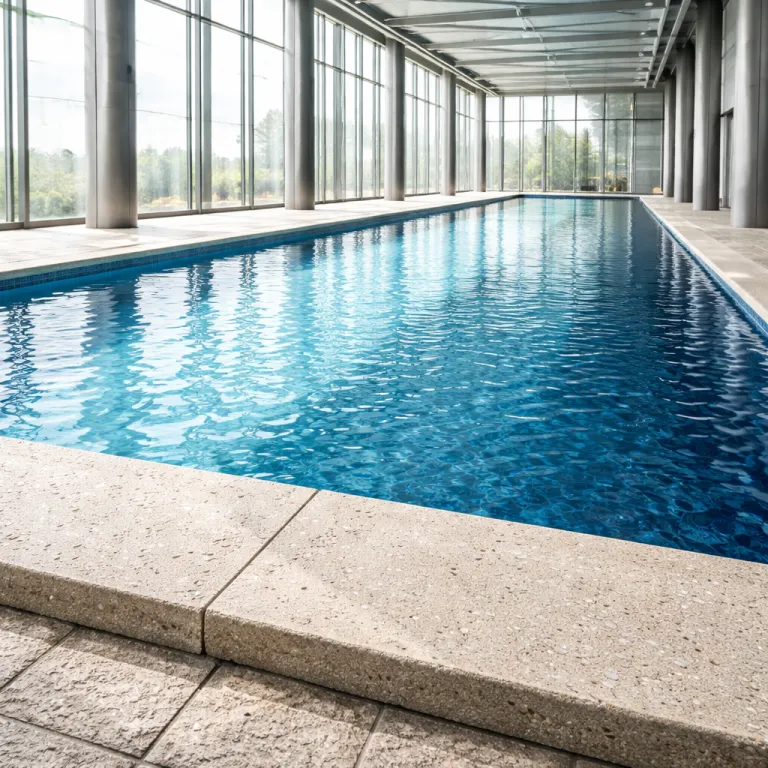
Architects now treat every pool indoor space as a central stage, not a hidden amenity. Glass walls, stone plinths, and steel beams define how the swimming pool feels under your skin, how the ceiling carries sound, and how the view connects you to the landscape beyond the hotel’s interior façade. This is why a modern luxury hotel in the Alps can feel serene while a similar size pool in a dense city feels charged and urban.
Specialist manufacturers such as Hydrosight, STEEL & STYLE, and Diamond Spas have pushed this evolution in pool design. Their stainless steel frameworks and glass panels allow architects to suspend water above courtyards, carve spa pool sanctuaries into basements, and create luxury indoor lanes that glow like light boxes at night. For travelers, the result is a new generation of pools where interior design, engineering, and atmosphere are inseparable.
When you browse photos and images on a booking website, look beyond the surface glamour. Notice how the indoor swimming area is zoned, how the spa resort integrates its spa pool with relaxation decks, and how the house swimming scale relates to the rest of the property. These details reveal whether the hotel aims for a calm, relaxing retreat or a social, energetic pool spa scene.
Industry case studies published by hotel design journals such as Hotel Designs and TopHotelNews suggest that glass-walled pools now appear in roughly one third of high-end properties, and they typically increase construction costs by around 15–25% compared with a standard tiled basin of similar size. That investment only makes sense when the overall indoor pool concept is strong enough to turn the water into a destination, not just a free add on. As a guest, you feel that difference the moment you step from the corridor into the pool area.
Glass and light: when the view becomes part of the water
Glass is the material that has most radically changed contemporary indoor pool architecture in hotels. At The Chedi Andermatt, a long indoor pool runs parallel to floor to ceiling glazing, so the swimming lanes seem to merge with the Alpine valley beyond. The water reflects the mountains, and the glass dissolves the boundary between interior and exterior, turning every lap into a moving view.
Glass walled pools are not just visual theatre; they are a structural and acoustic challenge. Hydrosight and STEEL & STYLE use stainless steel structures to support large glass panels, ensuring the pool modern aesthetic does not compromise safety or durability. As one expert summary from Hydrosight’s technical documentation puts it with clarity: "They provide visual openness and aesthetic appeal."
In urban settings, glass often frames courtyards or city skylines rather than wild landscapes. A modern hotel might suspend a luxury swimming pool above a lobby void, letting guests float above the social life of the property while still feeling cocooned indoors. For couples, the most romantic moment is often late evening, when the ceiling lights dim, reflections soften, and the pool indoor space feels almost private.
Glass also changes how you experience a spa resort. A spa pool with panoramic glazing can make a compact area feel expansive, especially when the interior design uses pale stone and minimal furniture to keep sightlines clear. If you are comparing properties, this guide to what separates a great hotel pool from a forgettable one will help you read those photos more critically.
When you evaluate images on a booking platform, ask how the glass is working for you as a guest. Does it frame a meaningful view, or simply expose you to passing corridors without intimacy or a relaxing mood? The best luxury hotel pools use glazing to choreograph light, privacy, and perspective, so that the water, the sky, and the interior feel like one continuous, carefully edited scene.
Stone and texture: carving sanctuary from the landscape
Stone gives an indoor pool weight, history, and a sense of place. At properties like Stanglwirt in Austria, natural stone cladding around a swimming pool creates a grotto like atmosphere, even when the water is technically indoors. The result is a pool spa environment that feels carved from the mountain rather than dropped into a basement.
Heritage conversions often expose original stonework around newly inserted pools, letting the old walls frame a new luxury indoor experience. The rough texture absorbs some sound while reflecting warm light, softening the acoustics that can otherwise make a house swimming space feel harsh. For couples, this can mean whispered conversations at the water’s edge instead of echoing chatter from a crowded area.
Stone also shapes how you move between bedroom and pool. In Mediterranean villas and pool villa suites, a stone lined path might lead from a private terrace down to an indoor pool that opens onto a courtyard, blurring the line between indoor swimming and outdoor lounging. When the interior design continues the same stone into the spa resort, the whole journey feels coherent and quietly luxurious.
Climate matters here. The stone that feels perfect in Gstaad might feel heavy in Milan, where a modern luxury hotel could mix lighter limestone with glass and steel to keep the pool modern and bright. Architects now favour hybrid schemes, combining stone walls with engineered ceilings and glass ends, a trend mirrored in projects like Zannier Bendor’s island inspired indoor outdoor designs.
If you want to understand how light interacts with these materials, this analysis of how natural light transforms an indoor hotel pool is essential reading. When you next scroll through photos and images of a spa pool, look at how the stone meets the waterline, how the ceiling height changes, and whether the design modern choices feel timeless or already dated. Those cues tell you whether the pool will still feel special on a grey morning when the weather keeps you indoors.
Steel, engineering, and the rise of the urban spa pool
Steel is the quiet hero of contemporary indoor pool architecture hotel design. In projects like Six Senses London, stainless steel shells and engineered structures allow long, slender pools to slip into tight urban footprints. The result is a new generation of modern hotel basins that feel precise, minimal, and unapologetically metropolitan.
Manufacturers such as STEEL & STYLE and Diamond Spas specialise in stainless steel and glass swimming pools that can be craned into rooftops or stacked above ballrooms. Their work shows why the question "Is stainless steel durable for pool construction?" is answered simply: "Yes, it's corrosion-resistant and long-lasting." For guests, that engineering translates into crisp edges, perfectly even waterlines, and a sense that every detail has been tuned.
Steel also influences acoustics and atmosphere. Hard surfaces can amplify sound, so the best luxury modern pools pair metal shells with timber ceilings, fabric loungers, and carefully tuned lighting to keep the area relaxing rather than clinical. Many hotel operators now work with acoustic consultants to keep typical noise levels in the 60–70 dB range, roughly the sound of a lively restaurant, instead of the harsh echo of a gym. When you are choosing a city spa resort, look for images that show how the ceiling is treated and how the interior design softens the structural grid.
Urban properties often use steel to create dramatic cantilevers or glass fronted lanes that project over the street, turning the swimming pool into a piece of theatre. For couples, these spaces work best outside peak hours, when the water is calm and the city glows beyond the glazing. If you are planning a romantic stay, consider hotels that offer extended pool hours or adults only sessions, so you can enjoy that modern luxury ambience without crowds.
From a sustainability perspective, engineered materials can also support energy efficient systems and smart technology. Stainless steel frameworks integrate easily with advanced filtration, underwater lighting, and precise temperature control, all of which shape how comfortable your indoor swimming session feels. When you read reviews, pay attention to comments about water temperature, air quality, and noise, because these are the lived results of the structural choices you cannot see.
Reading photos like an insider when you book your stay
Most travelers will meet a hotel’s indoor pool architecture hotel design first through a screen. Learning to read pool photos like an insider helps you choose between properties that all claim to offer a luxury swimming experience. For couples, this skill can be the difference between a forgettable basement rectangle and a pool villa suite that becomes the highlight of the trip.
Start with proportion and layout. Look at how the swimming pool relates to the loungers, the spa pool zones, and any adjacent spa resort facilities, then ask whether the area will feel intimate or crowded once other guests arrive. A well resolved pool design usually shows clear circulation paths, generous deck space, and a ceiling height that matches the length of the water.
Next, study materials and light. Glass dominated spaces promise a strong view but may feel exposed if the interior design does not provide quiet corners, while stone heavy rooms feel cocooning but can be dark without thoughtful lighting. Steel and other modern finishes signal a crisp, design modern aesthetic that suits urban escapes more than rustic retreats.
Then, consider how the pool connects to private life. Some luxury hotel suites now integrate direct access from bedroom to pool indoor terraces, a theme explored in depth in this guide to luxury hotel suites with indoor pools for couples. If that level of privacy matters to you, filter for properties where the indoor pool is not just a shared facility but part of a carefully choreographed villa or suite experience.
Finally, remember that the most seductive images rarely show crowds or noise. When you see a calm, free surface of water, imagine the same scene with ten more people and ask whether the space still works. The best modern luxury pools feel relaxing even at busy times, because their architecture, materials, and layout have been tuned to hold both intimacy and energy without compromise.
FAQ
What are the benefits of glass walled indoor pools for guests?
Glass walled indoor pools offer visual connection to the landscape or city, making the water feel larger and more open. They allow natural light to penetrate deep into the interior, which improves mood and reduces the need for artificial lighting. For guests, this often translates into a more uplifting, memorable swimming experience.
How does natural stone change the feel of an indoor hotel pool?
Natural stone adds texture, warmth, and a sense of permanence to an indoor pool. It can make a new spa pool feel rooted in its surroundings, especially in mountain or countryside locations. Stone also softens acoustics compared with bare tiles, which helps create a calmer, more relaxing atmosphere.
Is stainless steel a good material for luxury indoor hotel pools?
Stainless steel is widely used in high end pools because it is strong, corrosion resistant, and easy to shape. It allows architects to create precise edges, long spans, and complex forms that would be difficult with concrete alone. Guests benefit from cleaner lines, smoother surfaces, and often better water quality management.
How can I tell if a hotel’s indoor pool will feel crowded?
Look closely at photos to judge the ratio between water surface, deck space, and seating. If loungers are tightly packed or the area between pool and walls is narrow, the space will likely feel busy at peak times. Reviews that mention noise, lack of loungers, or difficulty swimming laps are also strong indicators.
Why does the material palette matter when choosing a romantic pool escape?
The combination of glass, stone, and steel directly shapes light, sound, and privacy in an indoor pool. For a romantic stay, you want materials that support soft lighting, comfortable acoustics, and a sense of seclusion rather than exposure. Choosing a property with a thoughtful material palette often leads to a more intimate and emotionally resonant experience.