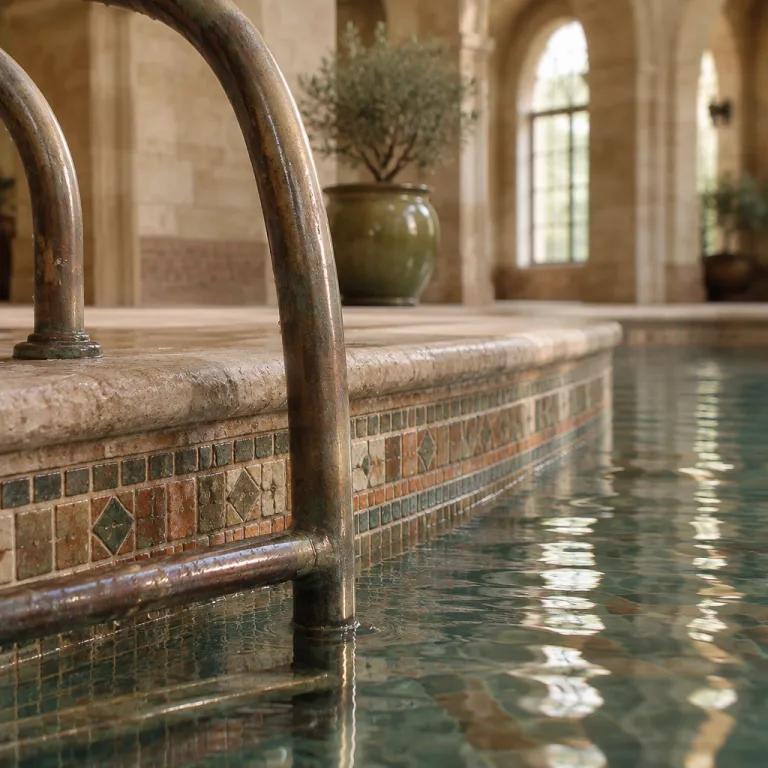
When a hotel pool becomes the landmark you travel for
On World Tourism Day, the idea of a world tourism day hotel indoor pool landmark feels less abstract when you realise some travelers choose the pool first and the city second. In luxury hospitality, the best hotel architects now design indoor water spaces as urban icons, transforming a simple hotel service into a landmark that shapes how guests remember an entire stay. Families planning premium travel increasingly filter for hotels with indoor pools that feel comfortable and atmospheric, not just free of crowds.
Think of the Marina Bay Sands sky pool in Singapore or the Park Hyatt Tokyo’s glass framed lanes ; each hotel indoor pool landmark appears in tourism campaigns as often as traditional monuments, and the rooms around them sell out whenever social media pushes a new angle of the water and skyline. These pools are not just amenities but carefully designed experiences, where every room category, every adjacent gym, and even the laundry logistics are planned around guest flow to and from the water. When a hotel offers such a space, the pool becomes the quiet engine behind restaurant reservations, spa bookings, and longer stays.
For premium families, this shift changes how you evaluate the best hotel for a city break or a long weekend. Instead of scanning a long list of services, enjoy focusing on how the indoor pool is specially designed for children’s safety, adult lap time, and multigenerational comfort in the same room of water. A true hotel indoor pool landmark will balance modern architecture, generous amenities, and calm acoustics so that guests can enjoy both energetic play and reflective swims during a single stay.
From grand baths to sky pools: how indoor water reshaped tourism
The story of the world tourism day hotel indoor pool landmark starts long before Instagram, in the grand thermal hotels of Budapest, Baden Baden, and Karlovy Vary. These properties proved that a hotel with an indoor pool could become a civic landmark, drawing international guests who came for the water first and the rooms, restaurants, and other services second. The tourism experience was built around ritual ; guests moved from room to pool to treatment to lounge in a carefully designed sequence that made the stay feel both comfortable and restorative.
Today’s modern sky pools in Asia and the Middle East follow the same logic, even if the aesthetic is glass and steel rather than marble and mosaics. A contemporary hotel indoor pool landmark is often suspended above a city, with a gym and spa wrapped around it, and amenities specially designed so that families can enjoy the water while business travelers swim laps before meetings. When a hotel offers this kind of integrated design, the pool becomes an amenities landmark in its own right, anchoring the property’s identity in every tourism brochure and airline magazine.
On World Tourism Day, sustainability questions sit beside the glamour shots of these pools, especially when a hotel offers heated indoor water in hot climates. Responsible properties now invest in energy efficient filtration, heat recovery systems, and smart ventilation so that the pool, gym, and adjacent rooms remain comfortable without wasteful consumption, aligning the guest experience with the day’s call for more thoughtful travel. For a deeper look at how wellness water spaces are evolving, the detailed review of the spa and vitality pools at Mauna Kea on indoorpoolstay.com offers a useful benchmark for what the next generation of hotel indoor pool landmark design can achieve.
The tourism multiplier: how landmark pools power local economies
When a world tourism day hotel indoor pool landmark captures global attention, the impact reaches far beyond the hotel’s own rooms and corridors. Families who book specifically for a famous indoor pool often extend their stay, which means more restaurant covers, more spa appointments, and more use of paid services that sit alongside the free amenities. A well run property tracks how the pool drives demand for everything from early check in to late checkout laundry, because the water becomes the quiet centre of the guest experience.
City tourism boards understand this multiplier effect and now feature hotel indoor pool landmarks in campaigns alongside museums and historic sites. A single striking image of a modern pool with a skyline view can reposition a destination as youthful and design forward, especially when the hotel offers services enjoy packages that bundle access to the gym, family swim hours, and curated local experiences. For premium families, these hotel offers simplify planning ; you book one stay and gain a whole ecosystem of amenities, from kid friendly menus to late night room service after an evening swim.
On indoorpoolstay.com, properties like Eden West Resort are profiled precisely because their indoor pools function as amenities landmarks that reshape how guests use the wider resort. When a hotel is designed around water, every room category, every corridor, and even the placement of the laundry chute reflects a commitment to keeping wet and dry traffic separate so that guests remain comfortable. This kind of thoughtful planning turns a simple pool into a true hotel indoor pool landmark that supports both the property’s economics and the surrounding community’s tourism activity.
How to choose an indoor pool landmark for your next family stay
For premium families planning travel around a world tourism day hotel indoor pool landmark, the selection process should feel as rigorous as choosing a school. Start by looking beyond glossy photos to understand how the hotel is designed ; check whether the pool has natural light, separate shallow zones for children, and clear rules that keep the space comfortable for both leisure swimmers and lap focused guests. A true hotel indoor pool landmark will publish details about water temperature, pool hours, and adjacent services so you can plan each stay day with confidence.
Next, examine how the pool connects to the rest of the hotel’s amenities and services. Is there a modern gym nearby, with family friendly changing rooms and free drinking water, or do you have to cross public spaces in a robe, which can make the experience less relaxing for some guests ? Properties that treat the pool as an amenities landmark usually integrate thoughtful touches such as towel warmers, efficient laundry support for wet gear, and quiet relaxation rooms where you can enjoy a snack without leaving the wellness zone.
Finally, consider the wider design story of the hotel indoor pool landmark and how it fits into your travel values. Articles such as the analysis of Crafoord Place’s capacity charts and conference rooms on indoorpoolstay.com show how even meeting focused hotels can be designed to keep leisure guests comfortable, with room layouts that protect pool access from event traffic. When a hotel offers this level of planning, you gain more than a beautiful room ; you gain an experience where services enjoy a seamless flow, and every member of the family can enjoy the best balance of activity and rest throughout the stay.
FAQ
How can I tell if an indoor pool is truly a landmark worth traveling for ?
A genuine hotel indoor pool landmark usually appears in architecture guides, tourism campaigns, and serious travel reviews rather than only on the hotel’s own website. Look for specific details about design, such as unusual volumes of natural light, distinctive materials, or a strong connection to a city view or cultural story. If repeat guests mention planning their entire stay around time in that room of water, you are likely looking at a pool that has transcended basic amenity status.
What should families check before booking a hotel centered on its indoor pool ?
Families should confirm depth profiles, lifeguard policies, and dedicated family swim hours so that children can enjoy the water safely without disturbing lap swimmers. It is also worth checking whether the hotel offers free access to the pool for all room categories or restricts it to certain services or club levels. Finally, review how the pool connects to changing rooms, the gym, and food outlets so that moving between activities feels comfortable with children in tow.
Are indoor pool landmarks compatible with sustainable and responsible tourism ?
Indoor pools require energy and water, but responsible hotels mitigate this through efficient filtration, heat recovery, and careful insulation that keeps the room comfortable without excessive consumption. Some properties use renewable energy sources or recycle waste heat from laundry and kitchen operations to warm the pool, aligning the guest experience with World Tourism Day’s focus on sustainability. When researching, look for transparent reporting on environmental initiatives rather than vague green language.
Do landmark indoor pools usually mean higher room rates ?
Rates at hotels with a world tourism day hotel indoor pool landmark are often higher because the pool drives strong demand and requires significant investment to build and maintain. However, these properties frequently bundle access into packages that include other services, such as spa credits or late checkout, which can improve overall value for a family stay. If you plan to use the pool daily, the premium can feel justified compared with a cheaper hotel where you would pay separately for external wellness facilities.
What time of day is best to enjoy a landmark indoor pool with fewer crowds ?
Early mornings and late evenings are usually the quietest times, especially in business focused hotels where most guests swim before breakfast or skip content entirely in favour of meetings. For families, a mid afternoon slot outside of typical check in and dinner hours can also be calm, allowing children to enjoy the water without overwhelming the space. Always confirm pool hours in advance, as some hotels reserve specific times for adults only or for private events.