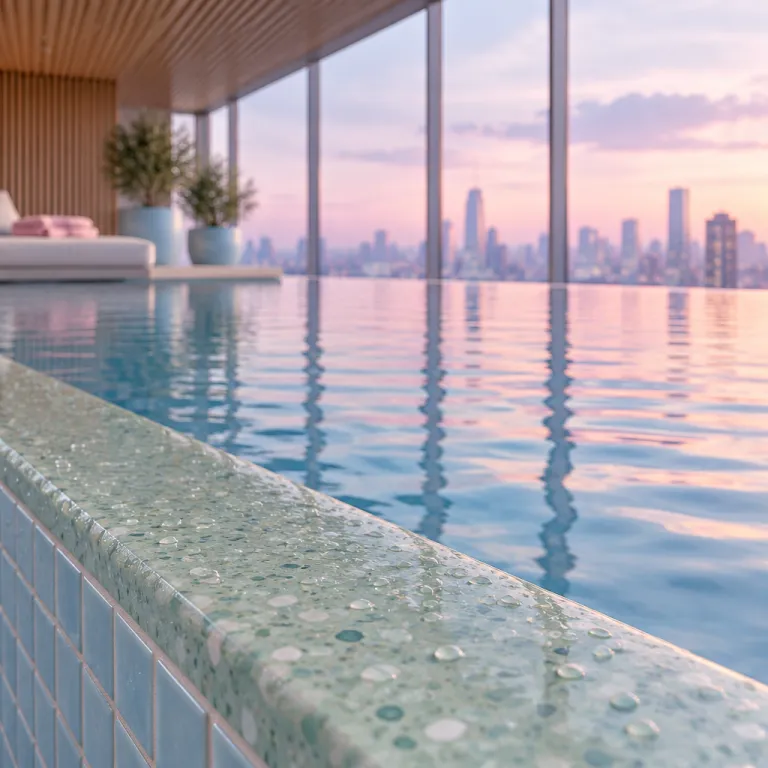
From basement rectangles to sky sanctuaries
The phrase rooftop indoor pool hotel high floor design signals a quiet revolution in urban hospitality. When a swimming pool moves from the basement to the top of the building, the entire construction strategy, guest flow and sense of occasion change for hotel guests. A well executed elevated pool turns a routine swim into a ritual framed by skyline, light and carefully tuned pool water.
Architects now start with the pool, then draw the building around it, because a 25 meter swimming pool on the 30th floor concentrates thousands of kilograms of water in a single design slab. That weight shapes the structural grid, the position of the spa, even where the glass elevators can run without transmitting vibration into the rooftop pool. In the best rooftop swimming projects, the pool deck, the roof top bar and the indoor relaxation zones form one coherent pool design rather than a scattered set of amenities.
For business leisure travelers, elevation is not a gimmick ; it is a time saving luxury. You finish a late call, ride the lift to the top and step into an almost private swimming pool where the city becomes a soft wall of light beyond the glass. The same rooftop pools that photograph well for the resort brochure also deliver real value when a heated pool at altitude lets you swim laps at 6 a.m. without leaving the building.
The engineering reality of water in the sky
Behind every serene rooftop indoor pool hotel high floor design lies hard engineering, because water weighs roughly 1,000 kilograms per cubic metre and does not negotiate. A long elevated pool on an upper floor requires deeper beams, thicker columns and a continuous design slab that redistributes the load across the building. This is why many of the most striking rooftop pools sit slightly back from the roof edge, where the structure is strongest and the pool deck can be braced against wind.
High floor swimming pools also face building sway, which makes pool water slosh subtly when the wind rises around the roof. Engineers use tuned mass dampers and hidden baffles within the swimming pool walls to calm the surface, so hotel guests feel a tranquil infinity edge rather than a restless basin. In some resort towers, the rooftop pool is paired with plunge pools on adjacent terraces, which act as both visual punctuation and additional mass to stabilise the roof top zone.
Temperature control is another invisible challenge, because a heated pool behind glass at altitude loses energy faster than one at ground level. Triple glazing, insulated walls and carefully zoned spa air handling systems keep the rooftop swimming environment comfortable without fogging the glass bottom sections that some architects favour. For travelers, the result is simple ; you can swim lengths in warm pool water while the city outside cools, and the only hint of the engineering below is the quiet hum beneath the pools rooftop corridor. For a deeper look at how culture shapes aquatic spaces, see this guide to indoor pool hotels shaped by local bathing culture on indoorpoolstay.com.
Light, height and the aesthetics of elevated calm
The most successful rooftop indoor pool hotel high floor design projects treat lighting as carefully as they treat structure. Natural light from clerestory windows or a long roof light can skim across the swimming pool at dawn, turning a simple swim into a meditative start to the day. At night, layered lighting along the pool deck, the ceiling and the waterline replaces harsh downlights with a soft glow that flatters both the water and the skyline.
Infinity edges work differently in elevated pool settings, because the visual horizon is no longer the garden but the city itself. When the pool rooftop edge is aligned with a distant landmark, the effect is a floating plane of pool water that appears to merge with the skyline, especially in rooftop pools that run parallel to a river or harbour. Some architects push this further with a glass bottom section that projects beyond the building, creating a transparent swimming ledge that feels both thrilling and controlled.
For serious swimmers, aesthetics must support function, so lane markings, wall finishes and the depth profile matter as much as the view. The best rooftop swimming pools reserve one lane for uninterrupted lap swimming during early hours, when the only sounds are the filter system and your own breathing. If you care about that quiet window, this analysis of the 6 a.m. lap on indoorpoolstay.com explains why early morning is still the most honest time to judge any hotel pool.
Business case, privacy and the new urban resort
From a revenue perspective, rooftop indoor pool hotel high floor design is no longer a vanity project ; it is a clear commercial strategy. Rooms and suites with direct access to an elevated pool or views over rooftop pools routinely command a premium, especially in dense business districts where leisure space is scarce. For hotel owners, the incremental room rate and event revenue from a sky level pool deck can justify the higher construction cost of the reinforced design slab and mechanical systems.
Privacy improves naturally with altitude, because an elevated pool is less overlooked by neighbouring buildings than a ground level courtyard. That allows architects to use more glass and fewer solid walls, which opens the swimming pool to the skyline while still keeping hotel guests shielded from street level noise. In many urban resort properties, the pool rooftop zone doubles as an outdoor lounge, with plunge pools tucked behind planters and a spa entrance discreetly set back from the main circulation path.
For the traveler extending a business trip, this creates a compact urban resort without leaving the tower. You might book an elegant two bedroom suite in Los Angeles, for example, and choose a property where the rooftop swimming area feels like a private club rather than a crowded terrace ; guides such as the one on indoorpoolstay.com about refined city stays help narrow those options. Elevation also simplifies privacy policy compliance for photography and events, because the rights reserved for brand imagery are easier to manage when the pool deck is not visible from public streets.
How to read a sky pool before you book
When you scan photos of a rooftop indoor pool hotel high floor design, start by looking at the relationship between the pool and the building. Is the elevated pool aligned with the structural grid, or does it appear squeezed into a leftover roof top corner with awkward walls and columns. A well planned pool rooftop will show generous circulation space, clear separation between the spa entrance and the main swimming area, and a pool deck wide enough for loungers without blocking lap swimmers.
Next, study the materials and lighting, because they reveal how the space will feel at different hours. Continuous glass along one side suggests panoramic views but raises questions about heat loss and glare, so check whether there are shades, overhangs or textured wall finishes to soften the light. If you see a glass bottom section, note whether it is a small feature for drama or a long structural span, since the latter demands more sophisticated construction and may affect how calm the pool water remains on windy days.
Finally, read between the lines of the amenity list to understand how hotel guests will actually use the space. A heated pool with clearly stated lap hours, separate plunge pools for families and a quiet zone near the spa usually signals thoughtful pool design rather than a marketing afterthought. For frequent travelers, choosing hotels that treat their rooftop pools as serious swimming pools rather than mere photo backdrops will consistently improve both your workouts and your off duty hours.
FAQ
Why are more luxury hotels building pools above the 20th floor ?
Luxury hotels are moving pools to higher floors because elevation creates a distinctive guest experience and supports higher room rates. A rooftop pool with skyline views turns a standard amenity into a destination, which helps justify the extra construction cost. For urban properties with limited ground space, an elevated pool is often the only way to offer resort style swimming.
Are rooftop swimming pools structurally safe on very high floors ?
Properly engineered rooftop swimming pools are designed with significant safety margins and follow strict building codes. Structural engineers account for the weight of the water, wind loads and building sway, then reinforce the slab and support system accordingly. When you see a large elevated pool in a reputable hotel, it has typically undergone extensive modelling, testing and inspection.
Does a higher pool level always mean a better guest experience ?
A higher pool level can enhance views and privacy, but it does not automatically guarantee comfort. The quality of lighting, water temperature, acoustics and circulation planning matters as much as the floor number. Some mid level indoor pools with excellent design and calm atmospheres outperform flashy rooftop pools that are crowded or poorly laid out.
What should I check before booking a hotel for its rooftop pool ?
Before booking, look for clear photos of the pool deck, the indoor areas and the views from the waterline. Check whether the pool is heated, whether there are dedicated lap hours and how many loungers share the space. Reviews from frequent travelers can reveal if the pool is genuinely usable for swimming or mainly a backdrop for events.
Are glass bottom or cantilevered sky pools comfortable for people afraid of heights ?
Glass bottom or cantilevered sky pools can feel unsettling if you are sensitive to heights, because you see the drop beneath you while swimming. Many hotels limit the transparent section to a small area, so you can enjoy the main pool without stepping over the glass. If you are unsure, choose properties where the glass elements are optional features rather than the only route into the water.