The 6 a.m. indoor pool test for couples
The unedited 6 a.m. lap and what it reveals
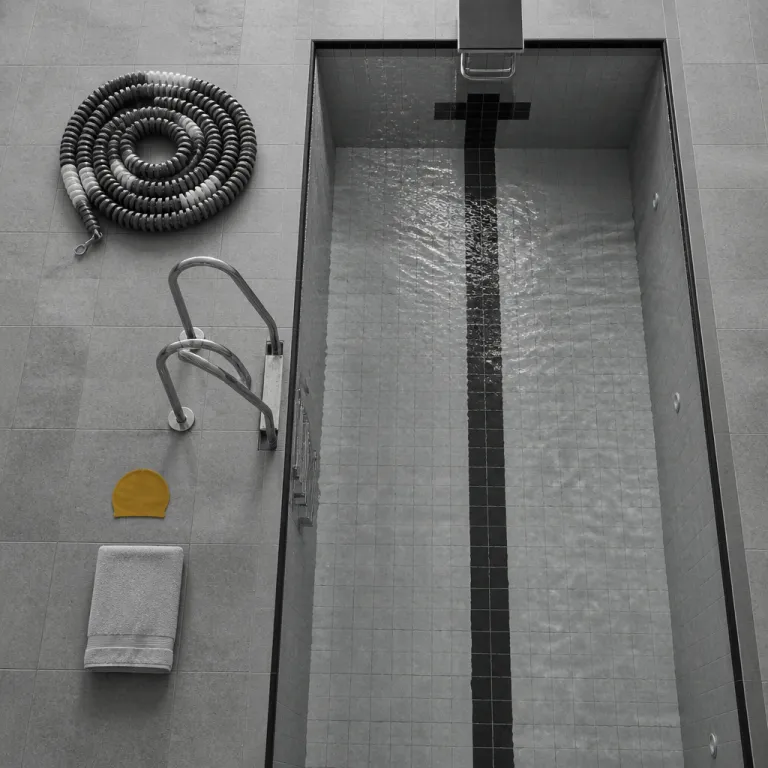
The hotel indoor pool at daybreak is where the marketing falls away. At 6 a.m., when the pool-open sign has just been flipped and the first lane is yours alone, you see the water and the architecture exactly as they are. No music, no crowds, only the quiet measure of your swimming and the faint echo of each stroke across the indoor pool tiles.
Early pool hours are not just a schedule detail; they are a stress test for the entire set of facilities. You notice whether the swimming pool has been skimmed properly, whether the underwater lights reveal a perfectly clear lane or a faint film of yesterday’s sunscreen, and whether the pool area smells of balanced chlorine or of shortcuts. This is the hour when a couple can judge if the hotel’s promise of serenity is real, because the pre-breakfast swim strips away every distraction and shows how seriously the property treats water care.
Most luxury hotels will list impressive amenities and talk about hot tubs, saunas, and curated fitness classes. Yet only at this time will you feel if the water temperature is consistent from end to end, if the indoor pools are genuinely quiet, and if the spa jets in the hot tub hum softly rather than roar. The 6 a.m. lap becomes a private pool ritual, a moment when you and your partner test the property’s soul, not just its amenities page, and decide whether this is a place you would return to.
Light, water, and sound at dawn
In a serious hotel indoor pool, light is the first critic. When the sun lifts behind city towers or over a mountain ridge, it cuts through the glass and shows whether the pool water is truly clean or just cleverly lit at night. You see every tile line, every ripple, and whether the filters have been run long enough during the night hours to meet the standards set by bodies such as the U.S. Centers for Disease Control and Prevention (CDC) and local health departments, which publish detailed guidance on filtration cycles, disinfectant levels, and routine testing for public and semi-public pools.
Temperature is the second truth teller, especially for couples who care about both leisure and fitness. For relaxed swimming, the most comfortable swimming pool temperature usually sits around 28 to 30 °C, while focused lap swimming feels sharper and more efficient closer to 25 to 27 °C. These ranges align with guidance from organizations like the Pool & Hot Tub Alliance and FINA, which note that cooler water supports sustained exercise and that competitive training pools are typically kept in the mid‑20s Celsius. At 6 a.m., before the day’s body heat and sunlight interfere, you can judge if the hotel has calibrated its pool area for real swimmers or only for photographs.
Sound is the final test of the early-morning pool experience, because the acoustic profile at this hour is the honest one. Without music or chatter, you hear whether the ventilation hums gently, whether water from hot tubs spills too loudly into the main pool, and whether locker rooms send a harsh echo into the indoor pools. If you are planning a romantic trip built around long swims and late checkouts, this is also the moment to imagine how the space will feel during special events like summer solstice swims in indoor pool hotels, when the same architecture must handle more guests without losing its calm.
The swimmer’s checklist for serious hotel pools
Once you start using the 6 a.m. lap as your benchmark, a clear checklist emerges. First comes access and schedule; you want a pool open from around 6 a.m., not a vague promise of early hours that shifts with staff mood. Average opening times around this hour are common in high-end hotels, but only some properties treat those first minutes as sacred for swimmers rather than for noisy maintenance or late-night cleaning.
Next, look at the practical amenities that shape an early-morning pool session for couples. Are the locker rooms spotless at dawn, with towels stacked and hairdryers working, or does it feel as if the night shift forgot you would be there? Are there clear lap lanes in the indoor pool, or is the swimming pool a free-for-all where pool rentals and private events have left floating clutter that staff have not cleared before the first guests arrive? At this stage, a simple mental checklist helps: clean deck and tiles, visible lane markings, stocked showers, and a lifeguard or attendant who is actually present.
Then there is the wider ecosystem of fitness and wellness facilities that wrap around the water. A thoughtful hotel will align pool hours with gym access, so you can alternate swimming with a short fitness session without losing time waiting for doors to unlock. When you see saunas, a hot tub, and multiple hot tubs arranged around the pool area, ask whether they are genuinely year-round features or whether the hotel quietly keeps some facilities closed during low season, which can undermine the promise of a consistent indoor-pool experience for repeat guests. For a sense of how far some properties go, look at design-led sanctuaries such as those profiled in our feature on how a historic palace became a pool sanctuary, where every detail of the water journey has been considered, or consider how a city hotel like the Four Seasons Hotel London at Ten Trinity Square keeps its indoor pool, vitality pool, and thermal suites operating on a predictable schedule for both hotel guests and spa members.
Quiet hours, memberships, and the rise of the pool loyalist
Across luxury hotels worldwide, a subtle shift is underway in how pools are managed. Properties are introducing quiet-hours policies, reserving specific time blocks for lane swimming and early risers who value a focused dawn swim. This trend responds to a growing group of guests who choose hotels primarily for their indoor pools and who treat the swimming pool as non-negotiable, not as a secondary amenity.
Some urban hotels now sell a limited day pass or structured membership that grants early access to the indoor pool and related facilities. For couples who travel often to the same city, this kind of membership can turn a familiar hotel into a semi-private pool club, especially when pool hours are clearly published and respected. The best properties keep the pool open daily for core hours, then layer in special time slots for swim lessons, aqua fitness classes, or quiet lap sessions that never clash with the romantic early-morning lane; for example, several New York and London spa hotels now reserve the first hour of the day for adults-only lane swimming before opening the space to families.
With this evolution comes a more sophisticated language around pool rentals and private bookings. Instead of blocking the entire pool area for events at peak times, thoughtful hotels will schedule private pool use outside the key early-morning window, protecting the integrity of the 6 a.m. lap. For couples, this means you can plan your first swim of the day knowing the pool will not be suddenly closed for a corporate breakfast, and that the saunas and hot tub will still feel like part of your own ritual rather than a backdrop for someone else’s party.
The couple’s ritual and how to read a pool at dawn
For many couples, the most intimate part of a trip is not the dinner reservation but the shared 6 a.m. lane. When you slip into the indoor pool together before breakfast, the early-morning swim becomes a quiet contract between you and the property. You are trusting the hotel to have prepared the swimming pool overnight, to have aligned pool hours with your body clock, and to have created a pool area that feels like a sanctuary rather than a leftover space.
This is where small gestures matter, from pre-breakfast coffee service by the water to staff who know your preferred hour and quietly set out towels. Some hotels now pair early pool access with thoughtful amenities such as reserved loungers, a light wellness menu, or even a printed schedule of swim lessons and fitness classes that you can join later in the day. If you are planning a romantic escape built around water, explore in-depth guides such as our feature on luxury hotel suites with indoor pools for couples, then apply the 6 a.m. test when you arrive.
Over time, frequent travelers become fluent in reading hotels through their pools. You notice whether the indoor pools feel truly year-round, with consistent water quality and reliable access, or whether the hours signage changes too often to trust. You learn to ask about membership options, whether a day pass includes the hot tubs and saunas, and whether any part of the private pool offering will interfere with your preferred time; in short, you use the early-morning pool test as your most honest metric of how seriously a property takes guest wellbeing.
How to prepare for your own 6 a.m. assessment
Turning your next trip into a meaningful early-morning pool experience starts long before you pack your swimsuit. When you research hotels, read past the headline amenities and look for precise information about pool hours, whether the opening time is fixed at 6 a.m., and whether the swimming pool is genuinely open daily or subject to frequent closures. If the website is vague about the indoor pool, assume the property does not prioritise serious swimmers.
Once you have booked, treat that first morning as a quiet audit of the hotel’s promises. Arrive at the pool area right at the stated hour, notice whether staff are ready, whether the locker rooms are fully stocked, and whether the water in the indoor pools feels freshly balanced rather than warmed up by yesterday’s crowd. Pay attention to how the hot tub and additional hot tubs are integrated, whether the saunas are already at temperature, and whether any early swim lessons or pool rentals have been scheduled in a way that respects your lane.
Finally, bring your own rhythm to the space and see how the hotel responds. A thoughtful property will adapt to your preferred time, perhaps suggesting a membership-style package if you are a frequent guest or offering a tailored pass that includes extended access to fitness facilities and private use of a small pool corner for a special occasion. As one internal guide for guests puts it with disarming clarity, “Why is early morning ideal for swimming? Pools are cleaner and less crowded.”, “What should I bring for an early swim? Swimsuit, towel, and goggles.”, and “Are hotel pools open to non-guests? Some hotels offer day passes.”; use that simple logic as you move from one early-morning pool test to the next, and you will quickly separate the true sanctuaries from the basement rectangles.
FAQ
Why does the 6 a.m. swim reveal so much about a hotel pool?
The first hour after the pool opens shows how well the hotel has maintained its indoor pool overnight. You see real water clarity, feel the true temperature, and experience the acoustic environment without music or crowds. This makes the early-morning pool test one of the most reliable ways to judge quality.
What should I look for in an indoor pool before booking?
Check whether the swimming pool is open daily from around 6 a.m., and whether pool hours are clearly stated and consistently applied. Look for details about locker rooms, hot tubs, saunas, and any fitness facilities that share the space. Reviews that mention early-morning swimming are especially valuable, because they reflect unedited experiences and often highlight whether the hotel follows recognised health and safety guidance.
How can couples turn early swimming into a travel ritual?
Plan your schedule so that at least one morning is reserved for a shared 6 a.m. lap. Choose hotels where the indoor pools are positioned as calm wellness spaces rather than noisy family zones at that hour. After your swim, extend the ritual with coffee by the pool area or a slow breakfast, using the quiet time to talk about the day ahead.
Are non-guests usually allowed to use hotel indoor pools?
Policies vary, but many urban hotels offer a paid day pass or structured membership that includes access to the indoor pool, hot tub, and related amenities. These passes often specify the exact hours when pool access is allowed, so early-morning slots may be limited. Always confirm whether any pool rentals or private events will affect your preferred time.
What is an ideal water temperature for early morning laps?
For relaxed leisure swimming, most guests find 28 to 30 °C comfortable. For focused lap swimming in an indoor pool, a slightly cooler range of 25 to 27 °C usually feels more efficient. Testing the water during a 6 a.m. lap helps you decide whether a property suits your style.