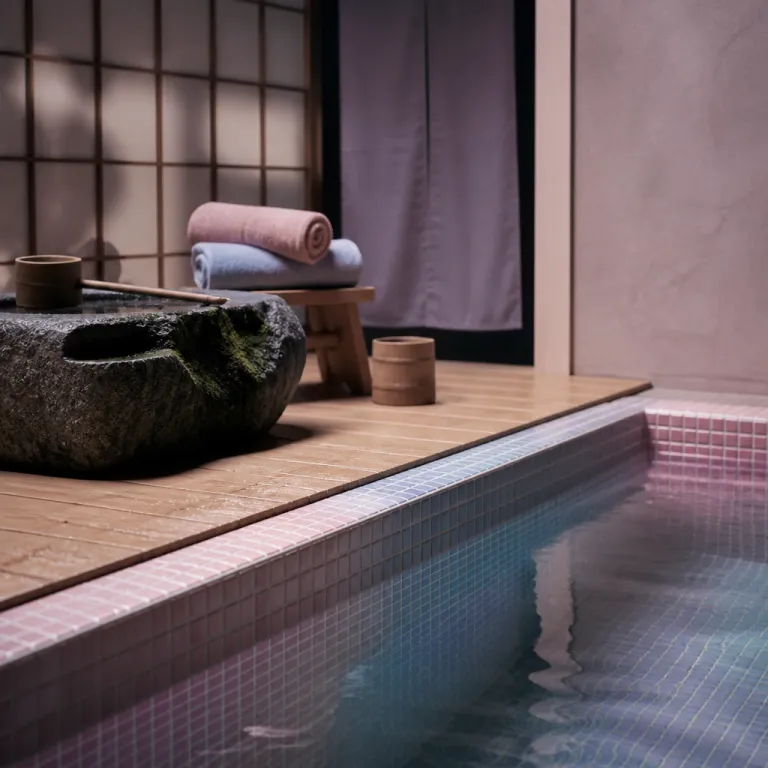
The onsen mindset behind indoor pool hotels in Japan
Indoor pool hotels in Japan begin with one quiet assumption. Water is not a leisure extra but a daily ritual that links modern hotel guests to centuries of Japanese bathing culture. That is why the best indoor pool in a Japanese city hotel feels closer to an onsen than to a generic hotel pool.
Across Japan there are thousands of traditional hot spring baths, and this onsen heritage shapes how every luxury hotel designs its pools and spa circuits. Temperature is calibrated to the degree, silence is encouraged, and guests are expected to wash thoroughly before entering any indoor pool or outdoor pool. When you check into higher end indoor pool hotels in Japan, you are stepping into a system of etiquette that has been refined over generations.
Onsen etiquette is explicit and hotel guests are usually reminded of it with clear signage near the pool facilities. One official guideline states : “Onsen etiquette includes washing before entering, bathing nude, and keeping towels out of the water.” Luxury properties adapt this to mixed international audiences, so you will often find swimwear required in the main pool while adjacent Japanese style baths remain textile free. For families with kids and older children, this dual structure allows everyone to enjoy the water in a way that feels both respectful and relaxed.
Tokyo’s high rise sanctuaries: when city views meet perfect lanes
Tokyo is where indoor pool hotels in Japan reach their most cinematic form. High above the city, glass walled pools frame skyline views that shift from steel blue mornings to neon soaked nights. The best hotel pool spaces here are designed as vertical retreats, not just fitness amenities.
Park Hyatt Tokyo remains the reference point, its 47th floor indoor pool stretching under a vaulted glass roof with long city views towards Shinjuku’s towers. Serious swimmers appreciate the consistent water temperature and the early lap hours, when the only sound is your own breathing and the distant city. Families with kids tend to arrive later in the day, when the mood softens and the room feels more like a relaxed living space with water.
Aman Tokyo in Ōtemachi takes a different approach, pairing its minimalist indoor pool with stone, dark timber and carefully controlled light. Here the pool spa sequence matters as much as the swim itself, with guests moving from the main pool to hot baths and then to quiet lounges that overlook the city. If you know London’s heritage rich lanes, the contrast between these Tokyo offers and the more historic indoor pool hotels in London shows how architecture and culture shape every stroke.
Hidden gems beyond Tokyo: ryokan style pools and mountain light
Leaving Tokyo, indoor pool hotels in Japan become more intimate and more closely tied to landscape. In Hakone, Kyoto and the mountain regions, many properties borrow the language of the ryokan, with low slung buildings, tatami lined rooms and pools that frame gardens or forested hillsides. Here the line between indoor pool and onsen bath often blurs.
Motoyu Ryuusenkaku, for example, offers a year round indoor swimming pool that feels like a family friendly extension of its traditional baths. Children can play safely in warm water while adults alternate between the main pool and the hotter mineral rich tubs nearby. Saito Hotel Kakeyu Hot Springs uses its indoor hot spring pool and gym to create a wellness circuit that appeals to both serious swimmers and casual hotel guests who simply want to float and watch the light move across the wooden beams.
Fuji Speedway Hotel, part of The Unbound Collection by Hyatt, adds a different kind of drama with a 20 metre indoor pool that opens to views of the surrounding hills and, on clear days, the silhouette of Mount Fuji. The design is clean and modern, yet the ritual remains recognisably Japanese, from the pre swim showers to the quiet spa zones that encourage lingering. If you are planning a broader itinerary that includes quieter seasons elsewhere, guides to indoor pool hotels that stay calm in peak months can help you time your Japan trip for maximum serenity.
Tokyo’s named addresses: where to book for architecture, light and water
For travelers focused on indoor pool hotels in Japan, certain Tokyo names carry particular weight. Conrad Tokyo, Grand Hyatt Tokyo, Hotel New Otani Tokyo and Cerulean Tower Tokyu Hotel each offer distinct interpretations of the urban pool spa. Choosing between them is less about star ratings and more about how you like to swim and how your family moves through a city.
Conrad Tokyo places its indoor pool high above Shiodome, with long windows framing Tokyo Bay and clean lined pool facilities that feel quietly luxurious. Hotel guests who value spa rituals will appreciate the adjacent treatment rooms and the way the wet areas flow into relaxation lounges. For families, the clear separation between lap lanes and more relaxed zones makes it easier to balance serious exercise with time for kids to splash under watchful eyes.
In Akasaka Mitsuke, Hotel New Otani Tokyo, often shortened to Hotel Otani, uses its vast garden as a backdrop for both its indoor and outdoor pool experiences. The indoor pool is practical for year round laps, while the outdoor pool becomes a seasonal social scene with city views that feel surprisingly green. Over in Shibuya, Cerulean Tower Tokyu Hotel offers a compact but well designed indoor pool that suits business travelers who want efficient morning swims before meetings in the city.
Marunouchi, Ascott and the quiet power of business district pools
Indoor pool hotels in Japan are not limited to leisure districts ; some of the most refined examples sit in the heart of Tokyo’s financial core. In Marunouchi, a cluster of high rise properties combines serious business credentials with spa floors that feel almost residential. This is where the Ascott Marunouchi Tokyo and several neighbouring towers quietly compete on water, light and calm.
Ascott Marunouchi Tokyo offers serviced residence style rooms with access to a discreet indoor pool that overlooks the city’s clean lined office blocks. The design is restrained, with pale stone, soft lighting and a focus on functional lap space rather than spectacle. For long stay guests, this kind of predictable, always available pool becomes part of a daily rhythm, as essential as the morning coffee or the evening walk through the city.
Nearby, other Marunouchi Tokyo addresses lean into spa branding, pairing their pools with full wellness menus and thermal suites. Business travelers often check availability of late closing hours, knowing that a post meeting swim can reset both body and mind. If your itinerary includes a hop to New York, comparing these calm business district pools with the more theatrical lanes near Washington Square in a well located Washington hotel in New York highlights how different cities choreograph the relationship between work, water and rest.
Practical guidance: etiquette, fees, timing and family friendly planning
Planning a stay in indoor pool hotels in Japan means thinking beyond room size and breakfast. You will want to check pool opening hours, any mandatory spa fees and whether access is included for all hotel guests or limited to certain room categories. Policies vary widely, even within the same city.
In Tokyo and Osaka, many luxury properties include basic pool access in the room rate but charge extra for full spa circuits or private baths. Some hotels near Narita and Narita Airport use their pools as a differentiator for jet lagged travelers, offering extended hours and relaxed rules for families with children. Always confirm whether kids are allowed in the main pool all day or only during specific family friendly time slots, as Japanese hotels can be strict about preserving quiet periods for adult swimmers.
Etiquette matters as much as logistics. Guests are expected to shower thoroughly before entering any indoor pool, to tie back long hair and to keep noise low, especially in spa zones. Tattoo policies remain mixed across Japan ; many onsen and some hotel pools still restrict visible tattoos, so it is wise to email the hotel in advance, check their current rules and, if needed, bring discreet covers to ensure a smooth, respectful experience for everyone.
Key figures that frame Japan’s bathing landscape
- Japan hosts around 3 000 recognised onsen facilities across the country, according to the Japan Spa Association, which means indoor pool hotels in Japan draw on an unusually dense network of bathing traditions.
- Approximately 130 million people visit onsen annually, based on data from the Japan Tourism Agency, a volume that has pushed many city hotels to refine their own pool facilities to meet rising wellness expectations.
- Wellness tourism, including stays at hotels with indoor pools and spa programs, has grown steadily in Japan over recent years, encouraging properties in Tokyo, Osaka and regional cities to invest in higher quality water treatment and more generous pool spa layouts.
- Many luxury hotels in major Japanese cities now maintain pool temperatures within a narrow band of just one or two degrees Celsius, reflecting the cultural emphasis on precise, comfortable bathing conditions.
FAQ about indoor pool hotels in Japan
Do all Japanese hotels have indoor pools ?
Not all Japanese hotels offer indoor pools, especially in older city properties or smaller regional inns. Higher end hotels in Tokyo, Osaka and major resort areas are more likely to feature a dedicated indoor pool or onsen style baths. When planning, always check the facilities list and photos rather than assuming that a spa automatically includes a full size pool.
What is onsen etiquette and does it apply to hotel pools ?
Onsen etiquette is a set of bathing customs that emphasise cleanliness, quiet and respect for shared water. The formal guideline is clear : “Onsen etiquette includes washing before entering, bathing nude, and keeping towels out of the water.” While most hotel pools require swimwear, the expectations around pre showering, low noise and not bringing phones into the water area usually mirror traditional onsen rules.
Are tattoos allowed in Japanese hotel pools and spas ?
Many onsen and some hotel pools in Japan still restrict visible tattoos because of historical associations with organised crime. Policies are slowly softening, especially in international hotels in Tokyo and Osaka, but there is no single national rule. To avoid surprises, contact the hotel directly, ask about their current tattoo policy and, if necessary, use skin coloured covers or book private spa rooms.
When is the best season to book an indoor pool hotel in Japan ?
For most travelers, the shoulder seasons of April to May and October to November offer the best balance of pleasant air temperatures, manageable crowds and atmospheric swims. During these months, moving between a warm indoor pool and cool city streets feels especially satisfying. Winter can also be rewarding if you enjoy the contrast between crisp air and steaming onsen style baths, particularly in mountain regions.
How family friendly are Japanese indoor pool hotels for kids ?
Many indoor pool hotels in Japan welcome children, but they often set specific hours or shallow zones for younger swimmers. Lifeguards may not always be present, so parents should stay close, especially with smaller kids. When booking, look for explicit mentions of family friendly policies, ask about children’s access times and confirm whether floatation toys are permitted in the main pool.