The neo baroque klotild palace reborn as a pool focused star hotel
The neo baroque klotild palace reborn as a pool focused star hotel
The St. Regis Budapest indoor pool sits at the heart of a meticulous heritage conversion in the historic Klotild Palace on Váci Street. This neo baroque landmark, commissioned in 1902 by Princess Klotild of Saxe Coburg and Gotha and completed in 1904, has been reimagined as a luxury hotel Budapest property that treats water as its quiet protagonist. For guests who check in for both business and leisure, the building’s tower, protected façades and Danube facing views now frame a very contemporary aquatic retreat.
St. Regis Hotels & Resorts is scheduled to operate the St. Regis Budapest as part of the wider Marriott portfolio, positioning the palace as a flagship for heritage led hotels resorts in Central Europe. The brand leans into Budapest city identity as a spa capital, using the indoor pool, hammam and Finnish sauna to reinterpret Gellért and Széchenyi traditions in a private hotel setting rather than a public bath. For travelers comparing each star hotel in the city center, the question is no longer only about room category or price but about which pool best matches their preferred rhythm of the day.
The restoration brief balances conservation with comfort, using historical preservation methods alongside modern construction techniques to protect the Klotild Palace exterior while inserting a contemporary spa core. Public areas retain ornate plasterwork and grand staircases, yet the wellness center feels deliberately hushed, with controlled lighting and stone finishes that reference Budapest thermal architecture without copying it. For indoor pool focused guests, this means you step from the bustle of Budapest city streets into a cocoon where the only sound is water moving against the tiles.
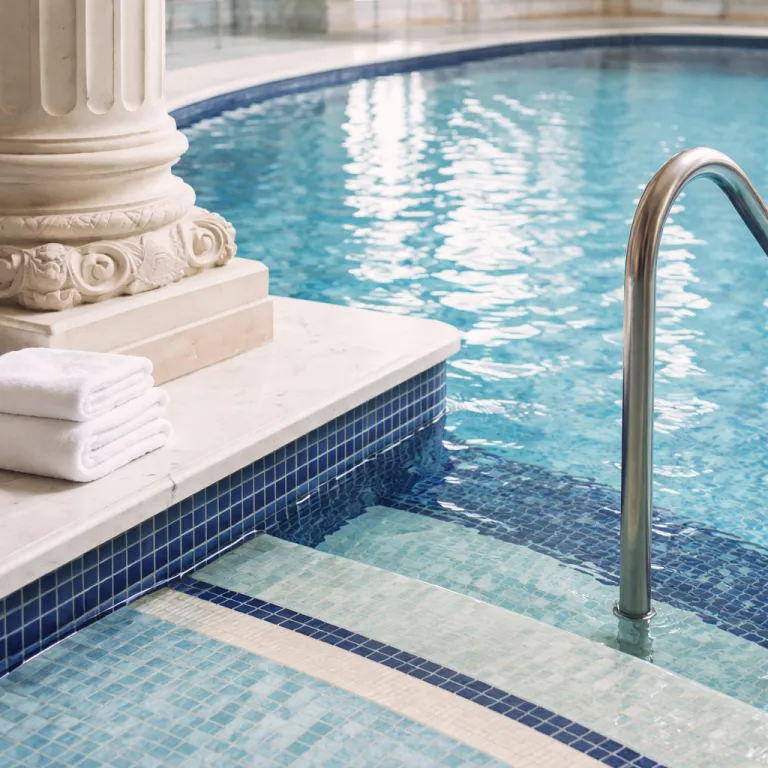
Architects have carved out the St. Regis Budapest indoor pool zone as a calm axis running behind the main circulation spine of the hotel. Ceiling heights are generous for a city center property, avoiding the basement rectangle feeling that plagues many urban hotels, and the pool deck is aligned to catch soft daylight rather than harsh overhead glare. Early design notes indicate a basin length of around 18–20 meters, enough for meaningful laps while still feeling intimate, and the result is a pool sanctuary that feels proportionally in tune with the palace rather than squeezed into leftover space.
Rooms and suites, including a Presidential Suite and the Klotild Tower Suite, extend the aquatic narrative with marble bathrooms and deep soaking tubs that echo the spa palette. A room king category on a mid floor can still feel connected to the wellness story, especially when guests use discreet internal routes from room to spa without crossing the main lobby. One frequent business traveler described arriving from Budapest Ferenc Liszt International Airport, taking a quick meeting in the bar, then swimming ten quiet laps before unpacking; that sequence captures how the hotel is meant to function day to night.
From a booking perspective, the St. Regis Budapest positions itself clearly within the five star hotel bracket, with nightly fees expected to reflect both the historic address and the depth of wellness facilities. Indicative rates for comparable luxury hotels in the city center often start around €350–€450 per night in low season and rise significantly during major events, and this property is likely to sit in that upper tier. Marriott Bonvoy members can redeem points per night, which places the palace competitively against other luxury hotels in the city center that lack such a considered indoor pool. For those scanning reviews before they check availability, the combination of heritage, spa and service level is what tends to justify the price in a crowded hotel Budapest market.
Indoor pool aesthetics that echo budapest’s thermal heritage
The St. Regis Budapest indoor pool does not try to replicate the grand colonnades of Széchenyi or the stained glass of Gellért, yet it borrows their sense of ceremony. Guests enter through a low lit antechamber that opens suddenly onto a reflective water surface, with stone arches and metalwork subtly referencing the palace’s neo baroque bones. The pool itself is long enough for serious laps, but the visual language is about calm horizontals and warm light rather than showpiece chandeliers.
Designers have tuned the water temperature to sit in a sweet spot between invigorating and restorative, typically around 28–30°C, acknowledging that many guests arrive from long haul flights into Budapest Ferenc Liszt International or regional hops across Central Europe. Early mornings, when the city is still quiet and only a few guests are swimming, the surface reflects the ceiling coffers in a way that makes the room feel almost like a private palace bath. For business leisure travelers who split their stay between meetings near Deák Ferenc tér Budapest and evenings in the spa, this is the hour when the pool belongs to them alone.
Lighting is layered rather than bright, with perimeter sconces and underwater strips that keep the water legible without flattening the architecture. This approach respects the Klotild Palace envelope, allowing original structural rhythms to read through the contemporary finishes while still delivering the safety standards expected in modern hotels. It also means that during a winter stay, when Budapest city streets are dark by late afternoon, the pool becomes a visual anchor that draws guests down from their room.
The spa circuit extends beyond the St. Regis Budapest indoor pool to include a traditional style hammam, Finnish sauna, experience showers and treatment rooms using Sothys and Hungarian brand Omorovicza products. This is where the hotel leans hardest into local bathing culture, translating public thermal rituals into a private, appointment based format that suits an international clientele. Couples planning a romantic indoor pool escape will find that the sequence from pool to hammam to relaxation lounge feels curated rather than improvised, similar in spirit to the experiences highlighted in this guide to elegant Valentine’s Day hotel packages with indoor pools.
Service around the pool is deliberately discreet, with attendants circulating quietly rather than hovering, which aligns with the expectations of a St. Regis level brand within the Marriott family. Towels arrive before you ask, infused water appears beside your lounger, and staff remember whether you prefer a robe waiting in the fitness center or delivered later with room service. For guests who value privacy, this choreography matters as much as the architecture, because it determines whether the pool feels like a sanctuary or an extension of the lobby.
Up on the sixth floor, a glass roofed fitness center offers a different relationship to the city, with cardio machines oriented towards rooftops and the distant line of the Buda hills. Many guests build a routine that starts with a short session in the fitness center, continues with laps in the St. Regis Budapest indoor pool and ends with a light snack in the bar or lounge. Over a long Fri Sat stay, with check in on Friday afternoon and departure on Sunday, this rhythm can make the hotel feel less like a transient stop and more like a temporary wellness residence in the center of Budapest.
From palace to pool sanctuary: practicalities, positioning and the wider trend
The opening of the St. Regis Budapest inside the Klotild Palace signals a broader Central European shift from static heritage buildings to living hotels with serious wellness programs. In Budapest, where thermal water is part of the city’s identity, turning a neo baroque palace into a pool centric hotel feels almost inevitable, yet the execution here is unusually coherent. The St. Regis Budapest indoor pool is not an afterthought amenity but the organizing idea that shapes how guests move through the property.
Location is a clear advantage, with the hotel Budapest address on Váci Street placing guests steps from the Danube and the Elisabeth Bridge, and a short walk from Deák Ferenc tér Budapest transport connections. Valet parking is available for those arriving by car, which is useful given the tight parking options in the historic center, though nightly fees for both rooms and parking sit firmly in the luxury bracket. For travelers arriving via Budapest Ferenc Liszt International, transfer times into the city center typically range from 30 to 45 minutes by taxi or private car, so a late evening swim in the indoor pool is realistic even after a long flight.
Inside, the bar program nods to the building’s history, with cocktails referencing the Klotild Palace era and a layout that encourages pre dinner gatherings rather than lobby loitering. Guests often move from the bar to the spa later in the evening, using room service for a light supper after a final dip in the St. Regis Budapest indoor pool, which keeps the wellness experience integrated into the full stay rather than confined to daytime hours. For those comparing deals at other hotels resorts in the region, this seamless flow between social spaces and the pool can be a deciding factor.
On the loyalty side, the property’s integration into Marriott Bonvoy means that frequent travelers can offset higher nightly fees with points, especially on peak Fri Sat dates when cash rates climb. Some guests structure multi night stays that combine a room king booking on points with a paid upgrade to a suite, effectively buying more space and a better view while still leveraging deals that the St. Regis brand occasionally releases. When planning, it is worth checking both cash and points options, as the relative value can shift with demand in Budapest city during major events.
The palace to pool narrative at the St. Regis Budapest also fits into a wider pattern of heritage conversions that prioritize aquatic wellness, a trend explored in depth in this analysis of how heritage conversions are reshaping luxury hospitality. In this context, the Klotild Palace project stands out because the indoor pool is calibrated to echo Budapest’s thermal culture rather than simply adding a generic lap lane. For travelers who care about both architecture and water, that alignment between building story and pool design is what elevates the stay from pleasant to memorable.
Globally, we are seeing more hotels and resorts treat their pools as narrative devices, from magnesium rich basins in London to skyline edge pools in Asia, as highlighted by the opening of the Six Senses London with the city’s first magnesium hotel pool in this report on next generation urban hotel pools. In Budapest, the St. Regis Budapest indoor pool plays a similar role, anchoring the brand’s promise of ritualized luxury in a city already fluent in bathing culture. For travelers reading reviews and planning where to check in next, the message is clear; if water matters to you, this palace turned pool sanctuary deserves a place near the top of your list.
Key practical details for prospective guests: amenities are expected to include an indoor pool, full spa, fitness center and multiple dining options; the Klotild Palace itself is not individually listed as a UNESCO World Heritage Site but sits within Budapest’s protected historic urban fabric along the Danube; and the St. Regis Budapest opening date, final pool specifications and any architect of record should always be confirmed against the latest official hotel communications or planning documents, as project timelines and design teams can evolve before launch.