From tiled box to sanctuary: how biophilic indoor pools changed the stay
The new wave of biophilic indoor pool and hotel design has quietly rewritten what a city swim can feel like. Instead of a fluorescent rectangle, you now step into a calm interior where natural elements, filtered light, and soft acoustics create a space that feels closer to a forest clearing than a basement. For solo travelers, this shift turns a routine hotel swimming session into a private ritual that anchors the day.
At its core, biophilic design means using architecture and interior design to reconnect guests with nature through carefully chosen elements. Designers, hotel architects, and landscape architects work together to create pools where plants, water features, and natural materials are not decoration but structure, guiding how you move, breathe, and rest. A frequently cited study by environmental psychologist Roger Ulrich, “View Through a Window May Influence Recovery from Surgery” (Science, 1984), found that hospital patients with natural views recovered faster than those facing a brick wall, and hospitality research from Cornell’s School of Hotel Administration, including work by Stephani Robson on daylight and guest satisfaction (Cornell Hospitality Quarterly, 2011), links windows and greenery in wellness areas with higher ratings than sealed, windowless rooms.
For you as a traveler, this is not an abstract design style trend but a practical filter when choosing a hotel or resort. Look for descriptions that mention biophilic elements such as indoor plants, living walls, and large windows rather than just a generic heated pool. When a hotel or hotel resort talks about natural materials like wood, stone, and textured tiles, it usually signals a more thoughtful resort design where the pool’s nature-focused concept shapes the entire wellness journey, much like the spa environments at properties such as Six Senses Douro Valley in Portugal or Aman Tokyo, both of which launched biophilic-inspired pool areas in the mid-2010s.
Living walls, indoor plants, and the architecture of calm
Walk into a strong biophilic indoor pool and the first thing you notice is the air. Living walls and dense clusters of indoor plants soften echoes, filter light, and wrap the swimming pool in a quiet green envelope that feels instantly restorative. Landscape architects now treat the pool deck as a garden room, using organic shapes and layered planting to create small pockets of privacy for solo guests.
These vertical gardens are not just visual features; they are working parts of the architecture and interior design. As one expert summary from the World Green Infrastructure Network puts it, “Why are living walls used in hotels? They enhance aesthetics and improve air quality.” When hotel architects and interior designers collaborate with landscape specialists, the result is a pool environment where natural elements such as moss walls, ferns, and climbing plants frame the water and guide circulation around the deck, as seen in projects by firms like Biotecture and Patrick Blanc’s early hotel installations in the 2000s.
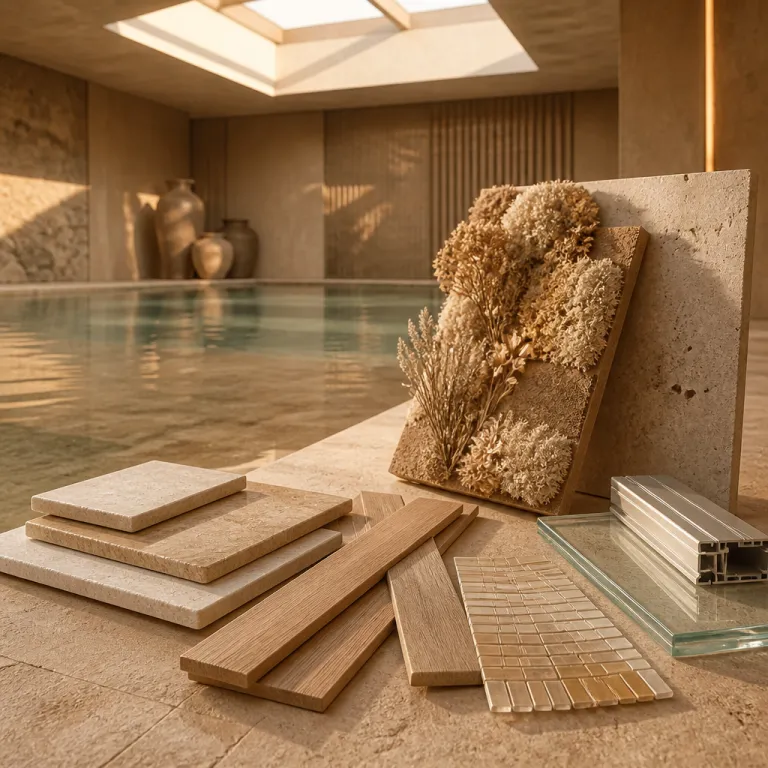
Material choices reinforce this sense of calm, with wood, stone, and tactile composites replacing cold, clinical finishes. Many luxury properties now pair wood–stone combinations with luxury glass tile mosaics, so the shapes and textures underfoot feel warm while the water surface catches every shaft of natural light. If you want to explore the best examples, look for properties highlighted in architecture-focused features such as the architecture shaping the world’s finest indoor pools, where resort design is judged as much on planting strategy as on square metres.
Skylights, large windows, and the vanishing boundary with nature
The most memorable biophilic indoor pool experiences hinge on light and horizon rather than on size. Large windows that frame trees, mountains, or city skylines turn each length of swimming into a moving landscape painting, while retractable skylights let you hear rain on glass or birdsong drifting in at dawn. When natural light is handled well, the line between interior and exterior dissolves and the pool feels less like an amenity and more like a sheltered lagoon.
Hotel architects now treat windows and skylights as primary features, not afterthoughts, in the overall architecture of the pool hall. “How do skylights benefit indoor pools? They provide natural light and reduce energy consumption,” notes one design brief, and that efficiency bonus sits alongside a clear wellness impact. Studies on biophilic elements, including work by researcher Stephen Kellert in “Biophilic Design: The Theory, Science, and Practice of Bringing Buildings to Life” (2008), show that guests rate pools with daylight, views, and visible nature significantly higher than enclosed spaces, especially when the design style uses organic shapes and flowing water to echo the landscape outside.
As a traveler, ask specific questions before you book, especially if the pool is a deciding factor. Request the pool hours when skylights are open, whether large windows face sunrise or sunset, and if any water features connect visually to an outdoor swimming pool or pond. Guides such as what separates a great hotel pool from a forgettable one can help you explore these details so you arrive knowing exactly when the water, light, and quiet will align.
Stone, wood, and futuristic finishes: how materials shape the swim
Material selection is where the biophilic indoor pool philosophy becomes tangible under your feet and fingertips. Natural materials such as wood and stone ground the space, while advanced composites and glass tiles add a futuristic shimmer that responds to every shift in natural light. The best hotel swimming environments balance these elements so the pool feels both timeless and quietly high tech.
Designers are moving away from uniform pale blue basins toward darker, moodier interiors that echo deep lakes and sheltered coves. Rich sapphire, teal, and charcoal finishes allow water features and flowing water lines to read more dramatically, especially when paired with wood–stone edges and softly lit interior details. Many luxury resort design teams now combine large-format synthetic panels with natural stone, creating clean silhouettes that still feel rooted in nature through subtle shapes, textures, and carefully placed biophilic elements, a strategy visible in projects by studios such as Foster + Partners and Snøhetta.
For you, these choices affect more than Instagram appeal; they shape how safe, relaxed, and oriented you feel while swimming. Darker swimming pool interiors can feel cocooning when balanced with strong natural light from large windows and skylights, while warm wood under bare feet signals comfort rather than spa sterility. When browsing a hotel or hotel resort gallery, look closely at the materials around the waterline and deck, and use specialist reviews such as elegant hotel suites with refined pool access to explore properties where the pool’s biophilic concept extends seamlessly into the wider interior design.
How to book for biophilic elements: a solo traveler’s checklist
Turning the biophilic indoor pool trend into a reliable booking strategy means asking better questions before you commit. Start by scanning descriptions for explicit mentions of biophilic design, natural elements, and indoor plants around the pool, not just a generic wellness centre. Properties that highlight living walls, vertical gardens, or resort design that blurs indoor and outdoor boundaries usually treat the pool as a core experience rather than a token feature.
Next, focus on light, air, and sound, which matter as much as water temperature for a restorative swim. Ask whether the pool hall has large windows or skylights, what hours they allow natural light to flood the interior, and whether any windows or doors open for natural ventilation. Clarify if there are dedicated quiet times for lane swimming, and whether water features such as cascades or flowing water channels can be turned down to keep the acoustic environment calm when you want a meditative session.
Finally, pay attention to materials and layout, because they reveal how deeply the hotel has embraced this design style. Request photos that show wood, stone, and other natural materials around the deck, and look for organic shapes rather than rigid grids in both the pool outline and surrounding architecture. When a hotel or resort describes its pool as a place to create a connection with nature, supported by biophilic elements, natural light, and thoughtful interior design, you are far more likely to find a sanctuary than a simple tiled box.
FAQ
What is biophilic design in a hotel indoor pool context ?
Biophilic design in a hotel indoor pool context means using architecture, interior design, and landscaping to connect swimmers with nature through natural elements such as plants, water features, daylight, and organic shapes. In practice, this can include living walls, indoor plants, large windows framing views, and natural materials like wood and stone around the swimming pool. The goal is to create a space that supports well being, reduces stress, and feels more like a sheltered landscape than an enclosed room.
Why are living walls and indoor plants used around pools ?
Living walls and indoor plants are used around pools to enhance aesthetics, improve air quality, and soften acoustics in spaces that can otherwise feel hard and echoing. They introduce natural elements and biophilic elements directly into the interior, which research links to lower stress and higher guest satisfaction. As one reference from the World Green Infrastructure Network states, “Why are living walls used in hotels? They enhance aesthetics and improve air quality.”
How do skylights and large windows change the pool experience ?
Skylights and large windows transform the pool experience by flooding the space with natural light and creating visual connections to the surrounding nature or cityscape. This vanishing boundary between inside and outside makes the pool feel larger, calmer, and more dynamic as light shifts through the day. “How do skylights benefit indoor pools? They provide natural light and reduce energy consumption,” which means they support both guest comfort and sustainability goals.
What should I look for when booking a biophilic indoor pool hotel ?
When booking, look for clear mentions of biophilic design, natural materials, and greenery integrated into the pool area, not just a generic spa description. Ask about skylight or window orientation, hours of strongest natural light, presence of living walls or indoor plants, and whether water features can be adjusted for quieter swimming. Photos should show wood stone finishes, organic shapes, and thoughtful resort design that treats the pool as a central, nature connected space.
Are biophilic indoor pools better for health and well being ?
Evidence suggests that biophilic indoor pools can support better health and well being than conventional enclosed designs. Studies on biophilic elements indicate measurable reductions in stress hormones and higher guest satisfaction when natural light, plants, and natural materials are present. For solo travelers, these environments often feel safer, more restorative, and more conducive to unhurried swimming sessions that genuinely reset the body and mind.