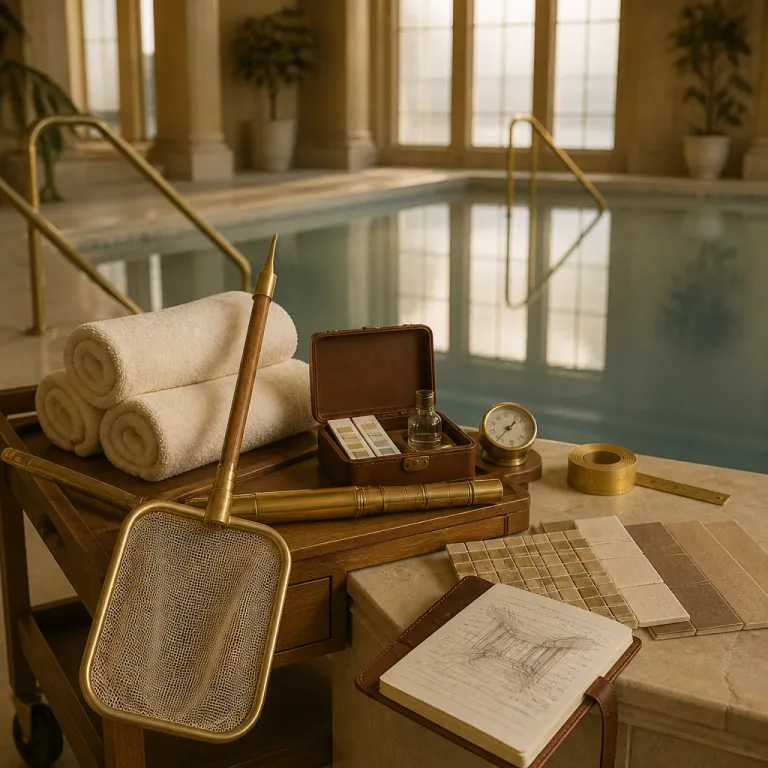
The quiet test of luxury hotel pool design architecture
The most memorable indoor hotel pool is often the one you see empty. In the quiet hour before hotel swimming officially begins, luxury hotel architects let the still water reveal every decision in the pool design, from the first tile to the last beam of light. For couples planning a stay, this is when a hotel pool shows whether it is a true work of luxury hotel pool design architecture or just another amenity.
High end hospitality teams now brief architects to design pools that photograph as powerfully at dawn as they feel at noon. Industry data shows that the percentage of luxury hotels investing in unique pool designs has reached 65 %, and that focus on design is visible in the way resort pool spaces frame the water as a reflective surface rather than only a place for swimming. When you scroll through photos of a luxury hotel or hotel resort, pay attention to the images where the swimming pool is empty, because those quiet frames usually tell you more than the crowded ones.
Look at the proportions of the hotel pool against the height of the ceiling and the width of the deck. A well resolved modern pool will sit comfortably within the interior volume, with the water line aligning elegantly with steps, ledges, and windows to create a calm visual rhythm. If the pool modern layout feels squeezed into the house like structure of the building, the space will never read as truly luxury, no matter how many palm trees or pools spas are added around it.
Reflection, light, and the architecture above the water
When nobody is swimming, the surface of a luxury pool becomes a mirror. Architects working at the top end of hospitality know that still water doubles the interior architecture, so they design ceilings, beams, and skylights with the reflection in mind as much as the direct view. This is why the most striking hotel pools feel almost like a modern house gallery when empty, with the swimming pool acting as a horizontal pane of glass.
At Le Grand Mazarin in Paris, interior architect Martin Brudnizki created an indoor pool where frescoed walls and arches are composed to be read twice, once in the room and once in the reflection. The same principle guides the mosaic swimming pools at Le Sirenuse in Positano, where artist Nicolas Party uses color and pattern so that the water amplifies the design rather than hiding it. When you evaluate a luxury hotel online, look for photos that show this doubled view, because they reveal whether the pool design has been considered as part of the overall interior design or simply dropped into a basement.
Some of the most successful examples come from properties that collaborate with fashion and art names, such as Karl Lagerfeld’s Odyssey pool for Hotel Metropole Monte Carlo. These projects use architectural design software and lighting studies to choreograph how the hotel pool will look at different hours, especially when the water is perfectly still. For travelers comparing a resort pool in a beach destination with a city hotel swimming space in Los Angeles, the presence of this reflective dialogue between water and structure is a reliable indicator of pool luxury and long term visual pleasure.
Tile color, depth, and the mood of still water
Color and depth decide whether an empty pool reads as sculpture or as a simple tank. Darker tiles in charcoal, deep blue, or black allow the water to behave like a sheet of ink, turning a modern pool into a reflective plane that quietly doubles the interior architecture. Lighter tiles, often used in family friendly resort pool complexes, emphasize clarity and volume, making the swimming pools feel brighter but less mysterious when nobody is in the water.
For couples seeking a romantic stay, the choice between a pale turquoise hotel pool and a shadowy infinity pool is not just aesthetic, because it shapes how the space feels at dawn and after dark. A deeper, darker luxury pool will often appear almost bottomless when empty, which can be thrilling in a dramatic spa setting but less suitable for a family with young children. When you review photos of a hotel resort or luxury villa, look for images that show the pool steps, the transition in depth, and how the tile color changes as the water gets deeper, because these details reveal how carefully the pool design has been tuned to its audience.
Depth also influences how reflections behave, especially in indoor pools where natural light is limited. Shallow modern pool basins near windows will sparkle and show every ripple, while deeper private pool chambers under skylights tend to hold a darker, calmer surface that flatters frescoes, arches, and palm trees painted on the walls. On indoorpoolstay.com we often highlight properties where the hotel swimming area has been calibrated so that the water line sits exactly where the architecture needs a band of shadow, creating a continuous visual story even when the pools are completely empty.
The dawn window and the art of being alone with the pool
There is a brief window each morning when the best hotel pools belong to nobody and to you at the same time. Photographers know that the hour before official pool opening is when luxury hotel pool design architecture is most legible, because the water is perfectly still and the first light arrives at a low angle. If you care about design as much as you care about swimming, this is the moment to quietly walk the deck and study the space.
Many luxury modern properties now program their lighting and blinds so that this early light grazes the surface of the water, revealing the exact geometry of the pool modern layout. In a well considered indoor pool, you will see how the view from the entrance aligns with the far wall, how the steps form a sculptural object, and how the ceiling structure repeats itself in the reflection. This is also when you notice whether the hotel pool has been designed for real laps or only for photos, because a true lap lane will read as a clear, uninterrupted line from one end to the other.
On a practical level, couples can use this quiet time to decide how they want to use the pool during their stay. If the space feels serene and balanced when empty, it will usually remain pleasant even when a family arrives with children or when a group gathers near the pools spas. For more guidance on how the best hotels extend this sense of calm into changing rooms, lounges, and post swim rituals, you can read our detailed feature on the refined post pool experience at indoorpoolstay.com, which explains how thoughtful hospitality design continues well beyond the water’s edge.
Night swimming, infinity edges, and pools designed for both photos and laps
After dark, a well designed indoor pool becomes a different room entirely. Underwater lighting, concealed LEDs, and sometimes even translucent pool floors allow architects to re script the atmosphere so that the same luxury pool feels intimate for a couple, theatrical for a group, and quietly dramatic when empty. The most successful hotel pools are those that look as composed in night photos as they do in daylight, with the water acting as a soft lantern inside the building.
Infinity pool concepts, long associated with beach resorts and palm fringed decks, now appear indoors as visual tricks where the water line seems to merge with a city view or a mural. In Los Angeles, for example, several luxury villa style properties use an indoor infinity edge to frame skyline lights, turning the hotel swimming area into a cinematic set when nobody is in the water. The key is that the infinity detail must work both as a photographic gesture and as a functional edge for swimming, because a pool designed only for images quickly frustrates guests who want to move through the water.
Travelers should look for signs that a pool luxury space has been engineered for real use as well as for social media. Clear lap lengths, comfortable access points, and logical circulation from room to deck indicate that the interior design team has considered the full hospitality journey, not just the hero shot. As one industry summary puts it without exaggeration, “Le Sirenuse, Faena Miami Beach, Le Grand Mazarin, Hotel Panamera.” are among the hotels that currently set the benchmark for visually compelling pools, and they show how art, architecture, and water can work together to create indoor sanctuaries that remain beautiful even when every guest has left the room.
FAQ
Which hotels have the most beautiful pools when they are empty ?
Properties frequently cited for exceptional pool design include Le Sirenuse in Positano, Faena Miami Beach, Le Grand Mazarin in Paris, and Hotel Panamera. Each of these hotels treats the pool as a central architectural element rather than a secondary facility. Their pools remain visually compelling even with no swimmers, because the surrounding interiors, art, and lighting are composed for reflection and stillness.
Why do luxury hotels invest so heavily in pool architecture ?
Luxury hotels invest in distinctive pool architecture to attract design conscious guests, strengthen their brand image, and create memorable experiences that drive repeat bookings. Industry research indicates that unique pool features can increase bookings by around 20 %, which explains the focus on collaborations with designers and artists. For travelers, this investment translates into pools that feel like curated spaces rather than generic recreation areas.
How can I tell from photos if a hotel pool is well designed ?
Look for images of the pool when it is empty, ideally at dawn or dusk, and study the proportions, reflections, and relationship to the surrounding interior. A well designed pool will align cleanly with architectural lines, show coherent lighting, and use tile color to create either a reflective surface or a bright, open basin. If every photo relies on crowds, props, or heavy editing, the underlying design may be less impressive in person.
Are indoor pools at resorts suitable for both couples and families ?
Many resort pools are now zoned or layered so that couples can enjoy quieter corners while families use shallower areas. When researching a hotel resort, check whether there are adults only time slots, separate family pools, or private pool suites that offer more seclusion. This information is often available in the hotel description, and it helps you match the pool environment to your preferred style of stay.
What should I look for in an indoor pool if I plan to swim laps ?
If you intend to swim seriously, focus on the length of the pool, the clarity of lap lanes, and the absence of awkward steps or curves in the main swimming line. Photos taken from above or from the end of the pool will show whether you have a straight, uninterrupted course. A pool that balances these functional needs with strong visual design will feel satisfying both in motion and in the quiet moments when the water is still.
Sources
Luxury Hotel Association, Hotel Industry Report, Architectural Digest