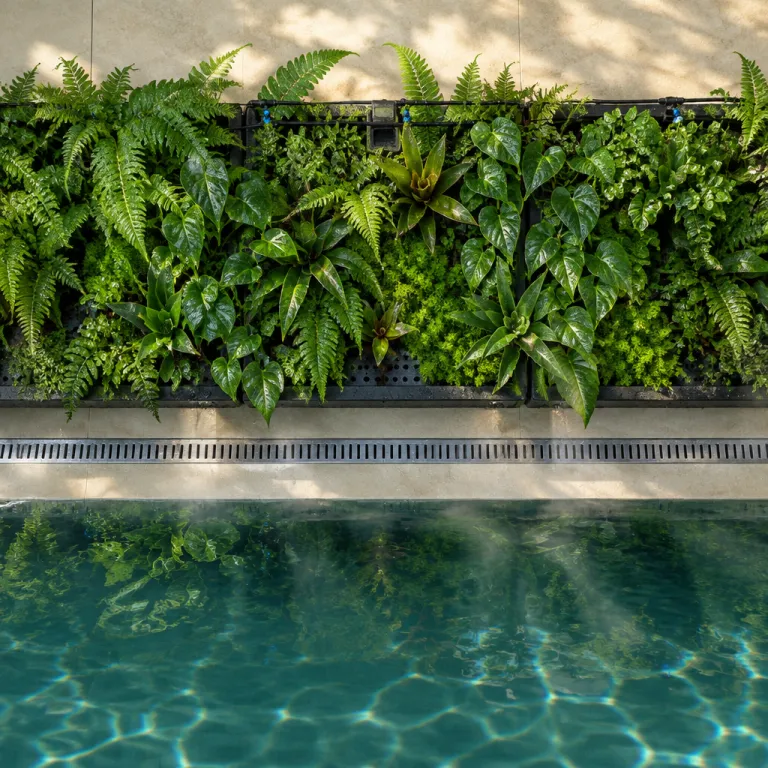
Why biophilic hotel pool green wall design feels different when you swim
Step into a pool hall wrapped in plants and the air changes. A carefully planned biophilic hotel pool green wall design shifts the room from echoing chamber to nature space, softening sound and sharpening your senses. Families who care about health and calm feel the difference within minutes.
Biophilic design in a hotel pool is not just about adding plants or a few green walls. It is a deliberate nature-led strategy that uses living systems, water features, and natural light to create a coherent biophilic experience rather than a themed backdrop. When this is done well, guests sense a deep connection with nature even in dense urban environments where the built environment usually dominates.
In these indoor spaces, the pool becomes a bridge between the indoor and outdoor. Designers choreograph materials, light, and patterns so that the water, the plants, and the building speak the same visual language. For families, that means children splash in a space that feels like a sheltered outdoor lagoon, while adults read poolside with a clear connection to nature instead of staring at bare walls.
At the heart of any strong hotel design is a clear understanding of how people move through space. In a biophilic hotel pool green wall layout, circulation paths, seating zones, and shallow play areas are arranged to preserve sightlines to plants and natural light. This creates a natural connection between swimmers, the water, and the living wall, which subtly encourages longer, more relaxed stays.
Premium properties use biophilic principles to turn the pool into a signature environment. They choose building materials such as textured porcelain tiles, warm timber, and stone that echo outdoor spaces rather than anonymous spa finishes. The result is a nature-inspired pool environment where the green walls feel integral to the architecture, not an afterthought bolted onto a blank façade.
The humidity paradox inside luxury indoor pool spaces
The same warm, moist air that makes an indoor pool feel comfortable can be brutal for plants. At 80 to 90 percent relative humidity, many species that thrive in outdoor spaces simply collapse, especially when exposed to chlorinated air. A serious biophilic hotel pool green wall design starts with accepting that this is a hostile environment for most greenery.
Specialist horticultural teams work with mechanical engineers to map the microclimates of the pool space. They track how humidity, air temperature, and air movement shift between the water surface, the deck, and the vertical planes where green walls will live. Typical design targets include air temperatures of 26–30°C (79–86°F) over the pool, 4–6 air changes per hour, and dehumidification systems set to a dew point around 15–18°C to keep condensation off building materials.
Only then do they select plants whose natural habitats mirror these conditions, often drawing from tropical understory species that tolerate constant moisture and filtered natural light. Common choices include Philodendron scandens (heartleaf philodendron, RH 60–90%), Nephrolepis exaltata (Boston fern, 18–24°C, high humidity), Ficus pumila (creeping fig, tolerant of splash), and some epiphytic orchids that accept intermittent drying between irrigations.
Families rarely see this backstage science, but they feel its results in the quality of the environment. When the plant palette is wrong, leaves yellow, pests appear, and the biophilic experience quickly feels neglected rather than nurturing. When the palette is right, the plants stay lush, the air smells clean, and guests instinctively rate the hotel higher for health and well-being.
Humidity management also shapes the building itself. Architects must detail the building materials behind the green walls so that moisture does not migrate into the structure and compromise the built environment. That often means layered membranes, drainage mats, and carefully specified porcelain or stone finishes that can handle constant condensation without staining or warping.
For indoorpoolstay.com, the most memorable pools are those where the engineering vanishes behind a seamless guest experience. These are the hotel spaces where you notice the way natural elements, water features, and plants frame the lap lane at night, not the dehumidifiers humming in the ceiling. Articles such as the guide to hotel pools designed to be beautiful when nobody is swimming show how this quiet technical work supports visual serenity.
Air, light, and the hidden HVAC systems behind living pool walls
Air circulation is the invisible backbone of any biophilic hotel pool green wall concept. The same HVAC system that keeps swimmers comfortable cannot always keep plants healthy, especially when chlorine vapors drift across the water surface. Many high-end properties now run separate air systems for the plant wall and the main pool hall.
In practice, this means the green wall sits in its own microclimate, with dedicated ducts that wash fresh air across the foliage while extracting humid, chemical-laden air before it stagnates. Engineers tune these applications so that the connection with nature remains strong for guests, without cold drafts breaking the calm over the water. In dense urban environments, where outside air can be polluted, filtration becomes as important as temperature control, with MERV 13 or higher filters increasingly common in premium hotels.
Lighting adds another layer of complexity. Plants need specific light spectra and durations, while pool designers often prefer low, atmospheric lighting that flatters the water and the building. Many living walls near pools now use LED grow fixtures delivering 100–250 µmol/m²/s at leaf level for 10–14 hours per day, tuned to warm-white or full-spectrum outputs so the pool still feels like a spa rather than a greenhouse.
The best hotel design teams hide supplemental grow lights within the wall structure, using lenses and louvers so that the plants receive what they need while guests see only a soft, nature-inspired glow. Case studies such as the indoor pool at the Parkroyal Collection Pickering in Singapore or the living wall installations at One Central Park in Sydney show how concealed lighting and dedicated air supply can keep vertical gardens thriving in humid, chlorinated air.
For families, this careful balance translates into a pool that feels welcoming at dawn and after dinner. Children can swim under a ceiling where natural light filters through skylights by day, then under a warm, even wash of artificial light that keeps the green walls legible at night. Parents notice that the space feels calm rather than cavernous, even when the pool is busy.
These choices also affect long-term health and maintenance. Poorly designed lighting can scorch leaves or encourage algae on damp building materials, undermining both aesthetics and health and well-being. When the technical design is right, the pool joins the ranks of indoor landmarks celebrated in pieces such as the indoor pools that became landmarks in their own right, where architecture, plants, and water feel inseparable.
Water management, materials, and maintenance in biophilic pool environments
Water is both the star and the saboteur of any biophilic hotel pool green wall design. While the pool itself is carefully balanced for swimmers, the irrigation system behind the plants must operate on a completely different logic. Overwatering in a high-humidity space leads to root rot, while underwatering in chlorinated air causes leaf burn and stress.
Specialist teams design irrigation loops that deliver precise amounts of water directly to the root zone, often using sensors embedded in the growing medium. Typical systems combine drip lines with soil moisture probes (capacitive or time-domain reflectometry sensors) and flow meters that shut off irrigation when thresholds are reached. These controls consider not only ambient humidity but also evaporation rates from the pool, splash patterns, and how often staff backwash filters or adjust water features.
The goal is a stable natural connection between the plants and their water source, independent from the fluctuations of the pool itself. In many hotel projects, irrigation water is separated from pool water entirely and treated as a light-fertilizer feed, with electrical conductivity and pH monitored alongside moisture levels to avoid salt buildup in the substrate.
Materials selection is equally strategic. Behind the visible foliage, layers of waterproof membranes, drainage boards, and corrosion-resistant fixings protect the building from constant moisture. On the surface, many designers choose textured porcelain tiles and stone that echo outdoor spaces, creating a visual connection with nature while resisting chemicals and heavy family traffic.
Maintenance regimes around these green walls are far more intensive than in lobbies or restaurants. Horticultural specialists visit frequently to prune, replant, and monitor how the plants respond to the pool’s microclimate, while engineers track how the building materials and mechanical systems age under constant load. A typical checklist includes weekly visual inspections, monthly nutrient and pH testing, quarterly irrigation calibration, and annual reviews of membranes and fixings.
For guests, the payoff is subtle but powerful. A well-maintained living wall dampens noise, improves perceived air quality, and encourages longer stays in the pool space, which is particularly valuable for families with children who need calm, engaging environments. Over time, these pools become reference points in the city, much like the Mediterranean-inspired properties explored in the feature on stone, sea, light, and shade in contemporary pool design, where materials and plants work in quiet harmony.
How families can read biophilic pool design when booking a stay
From a booking screen, it can be hard to judge whether a biophilic hotel pool green wall design is more than a marketing phrase. Look closely at photos and you will start to see patterns that separate serious biophilic design from decorative greenery. Real living walls show depth, varied plants, and consistent health, not a flat panel of identical foliage.
Pay attention to how the plants relate to the architecture. In strong hotel design, the green walls align with structural rhythms, frame views, and sit near natural light sources rather than in dark corners. You should see a clear connection with nature in the way seating, circulation, and shallow areas for children are arranged around the plants and water features.
Families who value health and calm should also look for cues about maintenance and air quality. Clear glass, clean grout, and fresh-looking building materials around the pool suggest that the property invests in both the built environment and the living systems. When reviews mention air feeling heavy or chemical, that can signal HVAC systems that are working hard for swimmers but not for plants.
On indoorpoolstay.com, we focus on how these urban design choices translate into real experiences for guests. We note whether the space feels like a genuine nature-inspired retreat or just an urban spa with a few potted plants. We also pay attention to practicalities such as family changing areas, shallow play zones, and the times of day when the pool is quiet enough to feel like your private nature space.
When you read between the lines of photos and descriptions, you start to see which properties truly understand biophilic principles. These are the hotels where green walls, natural elements, and water are orchestrated into a coherent biophilic experience, not scattered as décor. For families, choosing these spaces means trading a generic pool session for an environment that supports rest, play, and a lasting connection to nature, even in the heart of the city.
FAQ
How do hotels keep green walls alive in chlorinated indoor pool air ?
Hotels protect green walls near pools by creating separate microclimates for plants and swimmers. Dedicated ventilation washes fresh, filtered air across the foliage while extracting humid, chlorinated air before it stagnates. Combined with careful plant selection, moisture sensors, and precise drip irrigation, this allows living walls to thrive even in harsh indoor environments.
Which plants work best for biophilic pool green walls in high humidity ?
Designers typically choose tropical understory species that naturally live in warm, humid forests with filtered light. Ferns, philodendrons, some ficus varieties, and certain orchids can perform well when matched to the pool’s specific microclimate. The exact mix depends on humidity levels, air movement, and how much natural or artificial light reaches the wall.
Are biophilic indoor pool environments healthier for families ?
While green walls do not replace proper filtration or ventilation, they can improve how guests perceive air quality and noise. Studies on biophilic design from organizations such as Terrapin Bright Green and the WELL Building Standard show that exposure to natural elements reduces stress and supports a sense of well-being. For families, that often translates into children staying calmer for longer and adults feeling more relaxed in the pool space.
What should I look for in photos when choosing a hotel with a biophilic pool ?
Look for lush, varied planting that appears healthy from top to bottom, not just at eye level. Check how the plants relate to windows, skylights, and seating areas, and whether the building materials around the pool look clean and well maintained. If the green wall appears flat, sparse, or poorly lit, the biophilic concept may be more decorative than functional.
Do biophilic pool designs increase room rates or only guest satisfaction ?
Biophilic pool environments primarily drive guest satisfaction, longer dwell times, and stronger loyalty, which can support higher average rates over time. Hotels often report that these pools become signature amenities that influence booking decisions, especially for premium families. While the engineering and maintenance costs are higher, the long-term value lies in differentiation, repeat stays, and stronger word-of-mouth.