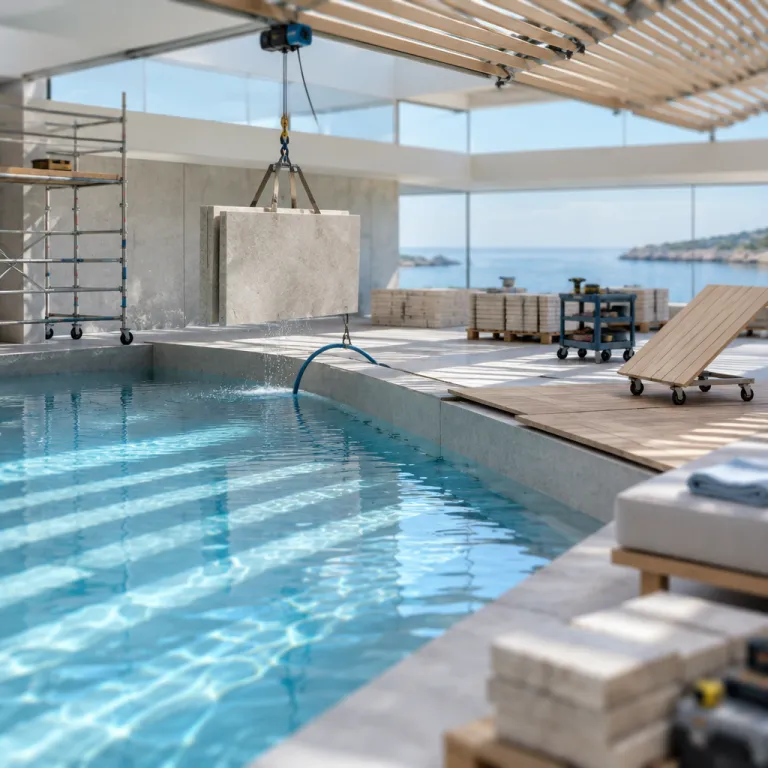
Stone, sea light, and shade in mediterranean pool hotel design architecture
The most compelling mediterranean pool hotel design architecture begins with a clear sense of place. In the best examples, the hotel architecture frames water as a calm interior sea, using stone, clay, and wood so the pool feels rooted rather than decorative. When you walk into a refined pool hotel on the coast, you should feel the same warm hush as stepping into a shaded village house at noon.
Across the region, architects are rethinking how a mediterranean hotel can host an indoor swimming pool without losing the easy relationship to sun and breeze. Instead of sealed basements, you now see large windows, arched doorways, and outdoor dining terraces that blur the line between interior and exterior. This new mediterranean architecture uses natural materials and filtered natural light so the swimming pool becomes part of the landscape story, not an afterthought.
Material choices are deliberate and deeply local, which matters when you are choosing a resort for a romantic stay. Istrian limestone, Cretan marble, and Sardinian granite are not just decorative stone options ; they are structural elements that carry the geology of the coast into the interior design. When a hotel design team lets these materials stay tactile and slightly imperfect, the pool area gains a quiet authenticity that polished concrete alone cannot match.
In many properties, the style embraces a restrained, modern language while keeping traditional references close. Clean lines, pale color palettes, and simple volumes sit beside wrought iron railings, hand glazed clay tiles, and carved wood stone details. This balance of modern and traditional elements is what separates a memorable mediterranean style pool hotel from a generic international resort with a blue tiled swimming pool.
The material palette: stone, clay, and wood that feel like the coast
When you evaluate mediterranean pool hotel design architecture, start with the floor under your bare feet. The best hotel architecture in the region uses stone that holds a gentle coolness, so each step from lounger to swimming pool feels grounded and calm. Local limestone, marble, or granite, sometimes mixed with wood stone inserts, gives the interior a subtle topography that echoes nearby cliffs and coves.
Natural materials are not only an aesthetic choice ; they shape how warm or austere a pool hotel feels on a grey day. Terracotta and clay tiles, especially when laid in traditional herringbone or basket weave patterns, soften the acoustics and keep the space from sounding like a sports facility. When these materials are paired with sustainable materials such as reclaimed beams or recycled stone, the design gains both environmental credibility and tactile richness.
Look closely at how a mediterranean hotel handles transitions between wet and dry zones. A thoughtful hotel design will shift from rougher stone near the water to smoother wood stone or lime plaster in the adjacent dining area, so bare skin meets comfortable textures. This layered interior design approach also helps couples move from swimming to outdoor dining without feeling they have left the pool’s atmosphere behind.
Heritage conversions across Spain, Italy, Greece, and Croatia show how traditional house forms can host modern pools without losing character. Many of these projects, often profiled in in depth features on heritage pool transformations, demonstrate how arched doorways, vaulted ceilings, and thick stone walls can frame a contemporary swimming pool with quiet drama. When you see sustainable materials integrated into these restorations, you know the architecture is thinking beyond surface level style embraces.
Light as a material: how architects choreograph sun and shade
Light is the defining element in mediterranean pool hotel design architecture, and the best properties treat it as a building material. Instead of relying on harsh overhead fixtures, architects use natural light filtered through screens, pergolas, and deep reveals to paint the water. This creates a swimming pool that changes character through the day, from soft morning reflections to sharper patterns when the sun is high.
Large windows are crucial, but they are never just glass walls facing the sea. In refined hotel architecture, these openings are carefully proportioned, sometimes framed by arched doorways or recessed loggias, so the interior remains warm and inviting rather than overexposed. The result is a pool hotel where you can watch the sun move across the horizon while still feeling wrapped in shade and stone.
Many mediterranean hotel projects now use perforated metal, timber lattice, or traditional wrought iron grilles to break up direct sun. These elements cast intricate shadows on the pool surface, echoing the dappled shade of olive groves and pergolas in the surrounding landscape. When combined with a calm color palette of sand, chalk, and sea green, the interior design feels both modern and deeply regional.
For couples who care about the atmosphere of a swimming session, the timing of light matters as much as the materials. Early morning is often when the clean lines of the architecture and the clarity of the water are most evident, a point explored in depth in guides to judging an indoor pool at dawn. If you plan your laps for that quiet hour, you will understand how mediterranean style, natural materials, and carefully controlled light can turn a simple swimming pool into a private ritual.
The year round argument: why indoor mediterranean pools matter for your booking
Even in the mediterranean, shoulder seasons bring wind, rain, and cooler evenings that make an outdoor pool less appealing. This is where thoughtful mediterranean pool hotel design architecture becomes a strategic advantage for both guests and owners. A well executed indoor swimming pool can extend the comfortable season of a resort by several months, giving couples more flexibility on travel dates.
From a guest perspective, the key is how seamlessly the indoor space connects to terraces, gardens, and any outdoor dining area. When large windows slide open to courtyards, and arched doorways lead directly to sun loungers, the boundary between interior and exterior almost disappears. You can swim in a warm, controlled environment, then step into the sun for a drink without feeling you have changed zones entirely.
For owners and architects, retrofitting an existing house or historic hotel with an indoor pool is complex. Many case studies on adapting older buildings for water show how structural constraints, ceiling heights, and existing stone walls can either limit or inspire the final design. The most successful hotel architecture projects use sustainable materials and clever engineering to integrate a swimming pool without compromising the original mediterranean architecture.
When you compare properties, pay attention to how the style embraces both modern comfort and traditional character. A mediterranean hotel that tucks its pool into a windowless basement may offer year round swimming, but it will never feel as warm or atmospheric as a pool hotel where natural light, natural materials, and carefully chosen color palettes work together. The difference is not just visual ; it shapes how relaxed and connected to place you feel during a long stay.
The new wave: where heritage, modern design, and water meet
A new generation of mediterranean pool hotel design architecture is emerging along the coasts of Spain, Italy, Greece, and Croatia. These projects often begin with a traditional house, palazzo, or farmhouse, then weave in a modern swimming pool as the quiet heart of the property. For couples, this means you can sleep under old beams and still swim in a space defined by clean lines and contemporary comfort.
In these hotels, interior design teams treat the pool as a social as well as a private space. You might find a dining area set just above water level, where outdoor dining flows into candlelit evenings framed by stone arches and wrought iron lanterns. The architecture encourages lingering, with warm lighting, generous steps into the swimming pool, and seating niches carved into thick walls.
What distinguishes this mediterranean style from Nordic or Asian spa traditions is the warmth of materials and the easy relationship to gardens and courtyards. Instead of dark timber and dramatic contrasts, you see pale stone, clay tiles, and wood stone details that reflect the sun without glare. Sustainable materials are increasingly present, from reclaimed roof beams to recycled glass mosaics, reinforcing a sense of responsibility alongside pleasure.
When assessing these properties for a romantic trip, look for coherence between hotel design, pool layout, and the wider landscape. A true mediterranean hotel will let natural light, natural materials, and regional color palettes guide every decision, from the angle of large windows to the curve of arched doorways. In such places, the pool hotel becomes more than a place to swim ; it is a distilled expression of mediterranean architecture and coastal life.
How to read a mediterranean pool hotel before you book
Choosing the right mediterranean pool hotel design architecture for a couple’s escape starts long before check in. Begin with the photographs and floor plans, paying attention to how the pool sits within the hotel rather than just its size. A swimming pool that is aligned with courtyards, gardens, and a sheltered outdoor dining area will usually feel more atmospheric than one hidden at the end of a corridor.
Look for evidence of natural materials and thoughtful interior design in every frame. You want to see stone floors, clay tiles, wood stone details, and wrought iron elements that speak to a specific region, not a generic resort template. Large windows, arched doorways, and a calm color palette suggest that the architecture is using natural light and shade as part of the experience.
Pay attention to how the style embraces both modern and traditional cues. Clean lines, minimal clutter, and carefully edited furniture can coexist with traditional house features such as vaulted ceilings, thick walls, and hand finished plaster. When hotel architecture achieves this balance, the pool hotel usually feels both timeless and quietly luxurious, which is ideal for longer romantic stays.
Finally, read guest feedback with an eye for detail about the pool itself rather than only the service. Comments about water temperature, acoustics, and the feeling of the space at different times of day will tell you more than a list of amenities. When multiple guests mention how warm the atmosphere feels even on cloudy days, you are likely looking at a mediterranean hotel where design, architecture, and natural elements have been orchestrated with real care.
FAQ
What makes mediterranean pool hotel design architecture different from other regions ?
Mediterranean pool hotel design architecture stands out for its use of local stone, clay, and wood that echo the surrounding landscape. Architects prioritize natural light, large windows, and shaded transitions so indoor pools feel connected to gardens and sea views. The overall style embraces warmth, social spaces, and outdoor dining near water rather than closed off spa environments.
How can I tell if an indoor mediterranean pool will feel atmospheric or like a basement ?
Look for photographs that show large windows, arched doorways, and visible natural materials such as stone and timber. If the ceiling is low, lighting is harsh, and there is no connection to an outdoor dining area or courtyard, the pool may feel enclosed. A more atmospheric pool hotel will show filtered sun, layered shade, and a clear relationship between interior design and the surrounding landscape.
Are indoor mediterranean pools comfortable outside the peak summer months ?
Well designed mediterranean hotel pools are specifically created to extend the comfortable season into cooler months. Insulated structures, controlled water temperature, and warm materials like clay tiles and wood stone help maintain a pleasant atmosphere. When combined with sheltered outdoor dining and lounges, these pools make shoulder season stays feel relaxed rather than compromised.
Which materials should I look for in a high quality mediterranean pool hotel ?
High quality mediterranean pool hotels typically use local stone, terracotta or clay tiles, timber, and sometimes wrought iron details. These natural materials age gracefully and create a warm, tactile environment around the swimming pool. Sustainable materials such as reclaimed beams or recycled stone also indicate a thoughtful approach to both design and environmental impact.
How important is lighting in mediterranean pool hotel design for couples ?
Lighting is crucial because it shapes the mood of the swimming experience throughout the day. Soft natural light, carefully positioned fixtures, and a restrained color palette can make an indoor pool feel intimate and romantic. For couples, this means the pool hotel remains inviting from early morning laps to late evening swims, without harsh glare or flat illumination.